Wonderland Yarns: Complete Guide to This Discontinued Luxury Hand-Dyed Collection
Looking for colorful hand-dyed yarn without spending too much? Wonderland Yarns made it easy for everyday crafters to enjoy rich, unique colors that once felt out of reach at Joann Fabrics. This popular store-exclusive line gave you the look of high-end indie-dyed yarn at prices most people could afford. Whether you’re making your first shawl or your fiftieth pair of socks, Wonderland Yarns helped turn simple projects into eye-catching pieces.
In this guide, you’ll learn about the different collections from Wonderland Yarns, which yarn weights work best for your projects, and where to find similar yarn options now that it’s no longer available at Joann Fabrics.
What Makes Wonderland Yarns Special
Wonderland Yarns launched in 2019 as Joann Fabrics answer to expensive hand-dyed yarns. The brand took inspiration from Alice in Wonderland, with collections named after well-known characters. What made it different was simple: it gave the look of hand-dyed yarn but worked like reliable commercial yarn.
Hand-Dyed Look, Commercial Reliability
ue hand-dyed yarn can be unpredictable. Colors may pool unevenly or vary too much between skeins. Wonderland Yarns solved this by using controlled dye batches. Each skein had rich color variation but stayed consistent enough for larger projects.
The semi-solid and variegated shades looked similar to indie-dyed yarns. Colors blended smoothly and created depth in finished pieces. But unlike true hand-dyed yarn, you didn’t have to worry about big differences between skeins.
Where to Buy Wonderland Yarns Now
Wonderland Yarns was only sold at Joann Fabrics, and since stores closed, it’s no longer easy to find. Some leftover stock may appear in clearance sales, but this is limited and not reliable. Some crafters still search for remaining inventory using the joann fabrics near me page guide that covers the old stores.
Your best option now is Amazon, where you can find similar superwash merino yarns with the same colorful, hand-dyed style.
Amazon advantages:
- Steady availability of similar yarn options
- Easy reordering if you need more skeins
- Fast delivery and simple returns
- Customer reviews to help you pick quality alternatives
Affordable Luxury Pricing
This is where Wonderland Yarns really stood out. Most indie hand-dyed yarns cost around $28–35 per skein. In comparison, Wonderland Yarns was much more affordable at Joann Fabrics, usually priced at $8–12 per skein. During regular sales, prices often dropped to $6–9 per skein, making it easy to stock up.
Today, you can find similar yarns on Amazon with close pricing. Most superwash merino blends with hand-dyed style colors now range from $10–15 per skein, giving you the same look without the high cost.
Wonderland Yarns Collections Explained
Wonderland Yarns offered four main collections, each inspired by characters from Alice in Wonderland. Every collection came in a different yarn weight and color style, giving you options for many types of projects.
Alice Collection (Fingering Weight)
The Alice collection used fingering weight yarn, which is the thinnest option from Wonderland Yarns. Each skein had around 437 yards made from 75% superwash merino wool and 25% nylon. This blend made it strong enough for socks, especially in areas like heels and toes.
Fingering weight works best for:
- Socks (most popular choice)
- Lightweight shawls
- Soft cowls
- Baby items
Alice colorways focused on self-striping designs. Colors changed every few yards, creating stripes automatically as you work. Shades like “Down the Rabbit Hole” mixed deep purple with soft pink, while “Tea Party” combined warm brown and cream tones.
Recommended tools:
- Knitting needles: US 1-3 (2.25–3.25mm)
- Crochet hooks: B-1 to D-3
Gauge is about 28-32 stitches per 4 inches. Projects take more time with this thin yarn, but the final result is smooth and lightweight with a nice drape.
If you’re looking for similar yarn today, Amazon offers fingering weight sock yarns with superwash merino blends and similar self-striping color effects.

Cheshire Cat Collection (DK Weight)
The Cheshire Cat collection from Wonderland Yarns used DK (double knitting) weight yarn with soft tonal color styles. Each skein had about 246 yards made from 75% superwash merino wool and 25% nylon, the same fiber blend as the Alice line but in a thicker yarn.
DK weight sits between fingering and worsted, which makes it useful for many projects:
- Light sweaters
- Scarves and cowls
- Baby blankets
- Hats and mittens
“Tonal” colors mean the shades stay in the same color family across the skein. You’ll see light and dark variations, but not bold color changes. For example, “Cheshire Grin” mixes pink and purple shades, while “Invisible Cat” moves through soft gray tones.
Recommended tools:
- Knitting needles: US 4-6 (3.5–4mm)
- Crochet hooks: E-4 to G-6
Gauge is about 22-24 stitches per 4 inches. This yarn works faster than fingering weight but still gives a smooth, detailed finish.
If you want a similar option today, Amazon offers DK weight yarns in tonal shades with soft merino blends that match this style.

Mad Hatter Collection (Worsted Weight)
Mad Hatter came with worsted weight yarn in bright, mixed colors. Each skein had 218 yards and was made with 80% superwash merino wool and 20% nylon. This fiber mix made the yarn soft, strong, and easy to care for, so you can wash it without worry and use it every day.
Worsted weight is known as the most common yarn size. Many knitting and crochet patterns use it because it is easy to handle and works for many types of projects:
- Sweaters and cardigans
- Blankets and throws
- Hats, scarves, and gloves
- Home decor pieces
Mad Hatter colorways stood out because of their bold color changes. “Mad as a Hatter” moved from bright orange to rich purple tones. “Riddle” mixed shades of teal, purple, and pink. These color blends made even basic stitch designs look more interesting and eye-catching.
You can use US size 7-9 needles (4.5-5.5mm) or an H-8 to I-9 crochet hook with this yarn. The gauge is usually around 18-20 stitches per 4 inches. Projects grow at a good speed, so you can finish a simple scarf in just a few evenings.
You can also find similar worsted weight variegated yarns online that give the same colorful style and feel.

Queen of Hearts Collection (Luxury Blends)
The Queen of Hearts collection included special luxury yarn blends that changed with each release. Some versions had cashmere blends, others used silk or mohair mixes. These limited-edition skeins were a bit higher in price (around $12-15), but they felt very soft and smooth, giving a premium touch to any project.
This collection was not always easy to find. Joann released it in small amounts, and it often sold out fast. Most of these colorways did not come back, which made them harder to get later.
The yarn weight and fiber mix were not the same in every batch, so checking the label was important. Some Queen of Hearts yarns came in DK weight silk blends, which worked well for light shawls. Others were worsted weight cashmere mixes, great for soft cowls and items worn close to the skin.
If you want similar luxury yarns, you can find silk, cashmere, and mohair blend options online from different trusted brands that offer the same soft and high-quality feel.

Complete Wonderland Yarns Color Guide
Wonderland Yarns brought out new colors with each season, while older shades were slowly removed as fresh ones arrived. This kept the collection feeling new and exciting for yarn lovers who enjoy trying different styles and looks.
At any given time, there were usually 30-40 colorways available across all collections. Some shades became favorites and stayed longer, while more unique or bold colors were only around for a short time before being replaced.
This mix of steady favorites and changing options made it fun to explore new colors while still finding trusted shades for your projects.

Current Bestselling Colorways
Some Wonderland Yarns colors were more popular than others and often sold out faster. These bestsellers were restocked more often because many crafters loved using them for different projects.
Alice Collection Favorites:
- Down the Rabbit Hole (purple to pink gradient)
- Tea Party (soft browns and cream tones)
- Curiouser (blue shifting into green)
Cheshire Cat Favorites:
- Cheshire Grin (purple to pink tonal mix)
- Invisible Cat (smooth gray shades)
- Mischief (deep teal color)
Mad Hatter Favorites:
- Mad as a Hatter (orange blending into purple)
- Riddle (mix of teal, purple, and pink)
- Unbirthday (bright rainbow variegated)
Discontinued & Hard-to-Find Colors
Many Wonderland colorways were discontinued after 2019. Because of this, knitters and crocheters often search resale platforms like Mercari or destash groups to find them again. These older shades are no longer made, so they are harder to get.
Some popular retired colors include:
- “Jabberwocky” (dark blue and purple mix)
- “White Rabbit” (light soft neutral tones)
- “Painting the Roses Red” (red gradient shades)
If you find a discontinued color you like, it is smart to buy extra. These shades do not come back, and prices on resale sites can rise to around $15-20 per skein over time.
Seasonal & Limited Releases
Wonderland Yarns also released seasonal colors during different times of the year. Spring collections often had light pastel shades, while fall brought deeper jewel tones. Winter releases focused on rich, cozy colors, and summer collections included bright and happy shades.
These limited editions sold out quickly and usually did not return once gone.
Alice in Wonderland Theme Inspiration
All Wonderland yarn names were inspired by the Alice in Wonderland story. This made it easier to remember and choose colors you like. If you enjoy soft and dreamy shades, names like “Tea Party” or “Wonder” may stand out. If you prefer bold and strong colors, options like “Queen of Hearts” or “Off with Their Heads” may suit your style.
The themed naming also made gifting more meaningful. If you are knitting for someone who loves Alice in Wonderland, you can pick colors based on their favorite characters or scenes from the story.
Why Choose Wonderland-Style Yarns
Choosing right yarn can feel confusing with so many options available. Here’s when Wonderland-style yarns are the better choice for your project.
Best for Color-Focused Projects
Wonderland-style yarns are perfect when you want color to stand out. Their deep and blended shades add beauty without needing complex patterns. Even simple stitches like stockinette or single crochet look eye-catching because the yarn itself creates the design.
Use these yarns for projects where the colors can really shine:
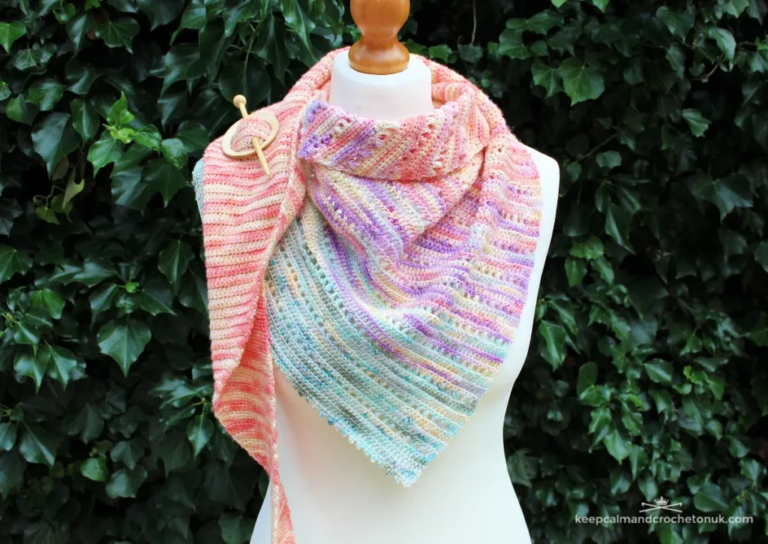
- Shawls (especially triangle shapes that show smooth color changes)
- Socks (self-striping yarn forms natural patterns)
- Scarves and cowls (easy to notice and show off)
- Simple sweaters (keep the design basic and let color lead)
Avoid using variegated yarns for detailed patterns. Heavy textures like cables or fine lace can hide the color effect. For those designs, solid yarn is a smarter and more affordable option.
When to Choose Wonderland-Style Over Indie Dyers
Hand-dyed yarn from small makers looks beautiful, but it also has some downsides:
Price: Indie yarn usually costs $25–35 per skein, while Wonderland-style yarns are more budget-friendly at around $10–15 per skein on Amazon.
Consistency: Hand-dyed yarn can vary a lot between skeins, even in the same color. Wonderland-style yarns are made to keep colors more even across batches.
Availability: Indie dyers often release limited stock, and popular colors sell out fast. Wonderland-style yarns are restocked more often on Amazon.
Customer Service: Small businesses may have strict return rules and slower replies. Amazon provides easy returns and faster support.
Pick Wonderland-style yarn when you need matching colors across multiple skeins, want to stay within budget, or prefer the safety of buying from Amazon with simple return options.
When Indie Yarn Wins
True hand-dyed yarn still has clear advantages over commercial options in certain situations:
Uniqueness: Every skein is slightly different. This means your finished project will be truly one of a kind with no exact match anywhere else.
Fiber Options: Indie dyers often try rare and premium blends like yak, qiviut, or bamboo silk. Commercial yarns usually stick to common mixes like merino and nylon.
Supporting Small Business: Buying indie yarn supports real artists and small businesses instead of big companies. Your purchase helps their craft grow.
Color Depth: Skilled hand-dyers create deeper colors and smoother transitions. These rich tones are hard for mass-produced yarns to fully copy.
Choose indie yarn if you have the budget and want something extra special for a meaningful project. For regular use with good quality at a lower price, commercial hand-dyed-style yarns are still a smart choice.
Best Projects for Wonderland-Style Yarns
Wonderland-style yarns fit many projects, but some really show off their color patterns better than others.
Shawls That Showcase Gradient Colors
Triangular shawls are great for showing smooth color changes. When you knit from the center outward, the colors slowly shift across the whole shawl. As rows get longer, each color section becomes more visible and spreads wider.
Popular shawl patterns for gradient yarns:
- Find Your Fade (uses multiple shades for bold gradient effects)
- Hitchhiker (sideways design shows color in a fun way)
- Simple triangular garter stitch (keeps focus on the yarn color)
One skein of fingering or DK weight yarn makes a small shawlette. Full-size shawls usually need 2–3 skeins. Pick colors from the same family for a soft blend, or go with contrasting shades for a stronger look.
Worsted weight yarn has stronger color changes, which creates more dramatic shawls. It works well in stockinette because the smooth surface lets the colors stand out.
Socks in Self-Striping Fingering Weight
Fingering weight yarn with added nylon makes socks strong and long-lasting. Self-striping yarn creates natural patterns, similar to Caron Cakes yarn, where you simply knit and watch stripes form.
A standard adult sock pair needs about 400–450 yards, so one skein is usually enough. If you want matching socks, buy two skeins from the same dye lot. Some knitters like mixing colors for fun mismatched pairs.
Superwash yarn is easy to care for. You can wash socks in a machine, and they stay soft while keeping their color. Regular merino needs hand washing, but superwash handles gentle cycles well.
Beginners often prefer self-striping yarn because it hides small tension mistakes. The color changes make uneven stitches less noticeable than in solid yarn.
Lightweight Sweaters and Cardigans
DK and worsted weight yarns both work well for sweaters. DK makes lighter sweaters good for layering or mild weather. Worsted weight gives warmer sweaters for colder seasons.
Choose simple designs with little texture. Stockinette cardigans, basic pullovers, and raglan styles help colors stand out. Avoid heavy cables or detailed patterns because they take attention away from the yarn’s color.
Planning yarn amounts is important. Always check your pattern needs. Most adult sweaters require:
- DK weight: 1,200–1,800 yards (5–8 skeins)
- Worsted weight: 1,000–1,500 yards (5–7 skeins)
Important tip: Buy all skeins from the same dye lot. Even small differences can show in large projects like sweaters. Many Amazon listings include dye lot details to help you match yarns.
Cowls and Infinity Scarves
Small and quick projects are perfect for these yarns. A simple cowl needs about 200–400 yards (1–2 skeins) and can be finished in a weekend. Because the project is small, you can choose bold or expensive colors without spending too much.
Chunky cowls, especially those made with Bernat Blanket yarn, work well when you hold two strands together. Using two strands of fingering or DK yarn creates a thick fabric that knits up quickly and shows off two colors at once.
Infinity scarves (long loop scarves wrapped multiple times) use around 400–600 yards. Their extra length makes the color changes more visible as the scarf drapes around your neck.
Current Availability Status
With Joann closing, Wonderland Yarns is no longer easy to find through its original store. You may still come across some leftover stock in a few places, but options are limited:
- Local Joann clearance sales (very limited and short-term)
- Resale platforms like Mercari, Poshmark, or eBay
- Yarn destash groups on Facebook or Ravelry
For a more dependable option, many crafters now turn to Amazon, where similar yarns are easy to find, including:
- Superwash merino sock yarns with self-striping designs
- DK weight yarns with soft tonal colors
- Worsted weight yarns with bold variegation
- Luxury fiber blend yarns
Amazon offers steady stock, fast delivery, simple returns, and the option to reorder matching yarn if you need more for your project.
Working with Wonderland-Style Yarns
These superwash merino blends act differently compared to acrylic or cotton yarns. Knowing how they behave helps you avoid mistakes and get clean, professional results especially when you use right craft tools and accessories.
Gauge Swatching is Essential
Always make a gauge swatch before starting any project. Superwash yarn is more stretchy and has more drape, so your gauge can change compared to regular yarns of the same weight.
Create a swatch that is at least 6×6 inches. Wash it the same way you plan to wash your final item (machine or hand wash), then lay it flat to dry. Superwash yarn often grows and relaxes after the first wash, so checking it before washing is not useful.
Measure your gauge only after the swatch is fully dry and blocked. Even a small difference—like half a stitch per inch—can change the size of a sweater by several inches.
Many knitters find they need to use a smaller needle size with superwash merino. The fibers are smoother and can create a looser fabric, so testing different needle sizes in your swatch is important.
Managing Color Pooling
Variegated yarn can sometimes “pool,” where colors gather in one spot and form patches instead of smooth transitions. Good-quality hand-dyed-style yarns usually reduce this issue, but it can still happen.
Ways to reduce pooling:
- Use stitch patterns with different row lengths (like garter or seed stitch)
- Switch between two skeins every couple of rows for bigger projects
- Work in the round when possible (this spreads colors more evenly)
- Try larger needles to change stitch size and color placement
If pooling happens, you don’t always need to start over. Sometimes undoing a few rows and knitting again can shift the colors enough to fix the issue. In other cases, changing the stitch pattern works better.
When pooling looks nice: Sometimes pooling creates interesting designs like stripes or shapes. Some knitters even plan it to create patterns like argyle. If it looks good, you can keep it as part of your design.
Best Stitch Patterns for Hand-Dyed-Style Yarns
Simple stitches show off color the best:
Use these:
- Stockinette stitch: Smooth and clean, perfect for showing color flow. Great for shawls, sweaters, and socks.
- Garter stitch: Adds light texture without hiding colors. Works well for scarves and edges.
- Basic ribbing: Simple rib patterns like 1×1 or 2×2 are ideal for cuffs and hems.
Avoid these:
- Heavy cables (they hide color changes)
- Complex lace patterns (too busy with colorful yarn)
- Detailed colorwork (not needed when yarn already has color)
- Thick textured stitches like bobbles or popcorn
If you enjoy detailed stitch work, use solid yarn instead so the texture stands out. With variegated yarn, let the color be the main highlight.
Care Instructions for Finished Projects
Superwash merino is easy to care for, but you still need to handle it properly to keep your projects looking fresh and lasting longer. Follow these simple steps:
Washing:
- Machine wash on a gentle or delicate cycle
- Use cool or slightly warm water (avoid hot water—it can still affect the fibers)
- Pick a wool-friendly detergent (regular detergent works, but wool wash is safer)
- Place items inside mesh laundry bags to avoid snagging
- Wash with similar colors (some dyes may bleed a little)
Drying:
- Lay items flat on a towel to dry (this helps keep their shape)
- If you use a dryer, select low heat and remove while slightly damp
- Avoid high heat (it can cause pilling and slight shrinkage)
- Shape and block your project after the first wash to set its final size
Storage:
- Fold heavy pieces like sweaters (hanging can stretch the shoulders)
- Store in breathable containers instead of plastic bags
- Keep away from direct sunlight (prevents color fading)
- No special moth treatment needed (superwash wool is less attractive to moths)
Wonderland Yarns vs. Similar Options
How does Wonderland compare to other popular hand-dyed-style yarns? Here’s a clear and honest breakdown.
Wonderland vs. True Indie Hand-Dyed
- Price: Wonderland-style yarns win. At $8–12 per skein ($6–9 on sale), they cost much less than indie yarn.
- Color Consistency: Wonderland-style yarns win. Machine dyeing keeps skeins more uniform, while indie batches can vary.
- Color Saturation: Indie yarn wins. Skilled dyers create richer and deeper shades that are hard to copy.
- Uniqueness: Indie yarn wins. Each skein is different, making every project one of a kind.
- Availability: Commercial yarns win. Amazon restocks often, while indie yarn sells out quickly.
- Customer Service: Amazon wins. Easy returns and fast shipping compared to stricter indie shop policies.
- Supporting Crafters: Indie yarn wins. Your money supports small businesses and artists.
Verdict: Pick commercial hand-dyed-style yarns for daily projects where budget and consistency matter. Choose indie yarn when you want something special and unique.
Wonderland vs. Frabjous Fibers (Original Wonderland)
Here’s something interesting: Frabjous Fibers originally created Wonderland Yarns for Joann. They still sell higher-end yarns under their own brand.
Wonderland Yarns (former Joann exclusive):
- Commercial dyeing for even color
- $8–12 per skein (when available)
- Hard to find now
- Standard merino-nylon blends
Frabjous Fibers (direct from the maker):
- True hand-dyed yarn
- $26–32 per skein
- Limited stock in small batches
- Premium fibers like yak, qiviut, and cashmere
- Unique colorways with no exact match
If you liked Wonderland and want better quality, try Frabjous Fibers. You’ll get a similar style with true hand-dyed detail—but expect to pay much more.
Wonderland vs. Knit Picks Stroll
Knit Picks Stroll is another option for self-striping fingering weight yarn:
- Price: Very similar. Both are around $7–9 per skein.
- Colorways: Wonderland-style yarns have slightly deeper and more complex shades.
- Availability: Knit Picks wins. It’s easier to find online compared to discontinued Wonderland yarns.
- Yardage: Stroll offers more at 462 yards vs. 437 yards per skein.
- Fiber Content: Same blend—75% merino and 25% nylon.
- Shopping Experience: Knit Picks is online-based and often keeps better stock available.
Verdict: These yarns are very close in quality and use. Knit Picks is now the easier choice due to better availability for this type of yarn.
Pro Tips & Tricks for Hand-Dyed-Style Yarns
Experienced crafters use these simple strategies to get the best results from hand-dyed-style yarns.
Buy Complete Project Amounts Immediately
Avoid buying small amounts with the plan to purchase more later. Dye lots can sell out quickly, and even if the same color comes back, it may not match perfectly. This is especially important for large projects like sweaters, where color differences are easy to notice.
Work out how much yarn your project needs, then add about 10% extra just in case. Buy all skeins at the same time and make sure they come from the same dye lot. When shopping on Amazon, check product details or ask the seller if they can confirm matching dye lots for multiple skeins.
Alternate Skeins in Large Projects
Even skeins from the same dye lot can have small differences. To avoid visible color changes, switch between skeins every two rows when working on big projects like sweaters or blankets.
Knit two rows using skein A, then two rows using skein B, and keep repeating this pattern. This method blends colors smoothly so any slight differences are not noticeable.
You will need to handle two yarns at the same time, but it helps prevent clear color lines where you change skeins.
Test Color Combinations Before Committing
If you plan to use multiple colors together, don’t buy everything at once. Start with one skein of each color and knit small swatches. Place them next to each other to see how they look together. Some colors look good alone but don’t match well when combined.
Good color pairings usually fall into these groups:
- Analogous colors: Shades close on the color wheel (like blue with purple or red with orange)
- Tonal variations: Different shades of the same color (like light blue with dark blue)
Avoid very strong contrasts unless you want a bold effect. Bright combinations like hot pink and lime green can look too harsh over time.
Store Superwash Merino Properly
Superwash merino is easier to care for than regular wool, but proper storage still matters.
Short-term (current projects):
- Keep yarn in project bags away from pets
- Avoid direct sunlight (can fade colors)
- Do not store in plastic bags (can trap moisture)
Long-term (stash storage):
- Use clear storage bins so you can see your yarn
- Add silica gel packets to reduce moisture
- Store in a cool, dry place (avoid hot or damp areas)
- Sort yarn by color to find it easily
A helpful tip: take photos of your yarn stash and save them on your phone. This makes it easier to remember what you already have and prevents buying the same colors again.
Troubleshooting Common Issues
Even high-quality yarn can come with a few problems. Here’s how to fix the most common issues when working with superwash merino blends.
Splitting While Knitting
Some knitters notice that superwash yarn splits more than other types. This happens because the fibers are smoother, so needles may catch only part of the strand instead of the whole yarn.
Solutions:
- Use needles with rounded tips instead of very sharp ones
- Insert your needle carefully to catch the full strand
- Try bamboo or wooden needles for better grip
- Go up one needle size to loosen your stitches
If the problem continues, check your tension. Holding yarn too tightly can cause strands to separate. A slightly relaxed grip usually helps.
Color Bleeding in First Wash
Dark shades like red or purple may release a bit of extra dye during the first wash. This is normal and usually happens only once.
Prevention:
- Wash dark and light colors separately at first
- Use cold water for the first wash
- Add color catcher sheets with your laundry
- Hand wash the first time, then switch to machine washing later
If color transfers onto other parts of your project, you can try washing again with color catchers. In some cases, fabric-safe color remover products can help.
Knots in Skeins
Sometimes yarn skeins have knots where the yarn was joined during production. This doesn’t happen often, but it can be frustrating.
How to handle it:
- Avoid cutting right at the knot right away
- Try to untie the knot first
- If it won’t open, cut it out and join the yarn again
- Use your preferred joining method and weave in ends neatly
If you find several knots in one skein, contact the seller on Amazon. One knot is normal, but multiple knots may point to a quality issue.
Skeins That Won’t Wind
Many hand-dyed-style yarns come in hanks, not ready-to-use balls. These need to be wound before knitting, and tangles can happen during the process.
Winding tips:
- Use a yarn swift to hold the hank in place while winding
- If you don’t have one, ask someone to hold the yarn open for you
- Wind yarn loosely to avoid stretching it
- Stop if you feel tension—this usually means a tangle
- Fix tangles slowly before continuing
If you use this type of yarn often, a ball winder and swift can save time and effort. Some local yarn shops also offer winding services.
Yardage Shortages
In rare cases, a skein may have less yarn than listed. You might notice this only when you run out before finishing your project.
Prevention:
- Weigh your yarn before starting large projects
- Compare it with the labeled weight (small differences are normal)
- Keep receipts until your project is complete
- Buy one extra skein as backup
If a skein seems too light, check the weight. Most skeins are around 100g depending on the yarn type. A large difference may mean missing yardage.
If needed, contact the seller on Amazon with photos and details. Their return policy usually covers defective or incorrect products.
Frequently Asked Questions
Where can I buy Wonderland Yarns now?
Wonderland Yarns was sold mainly through Joann stores. After Joann closed, this yarn is no longer easy to find or reliably restocked. You may still see small leftover amounts, but they are not consistent.
The best option today is to look for similar superwash merino yarns on Amazon. It offers steady stock, easy reordering, and simple customer support, which makes it easier to find matching yarn for your projects.
Is Wonderland Yarns truly hand-dyed?
No, Wonderland Yarns was not fully hand-dyed. It used commercial dyeing methods that were designed to look like hand-dyed yarn. This gave it a soft, artistic color style while keeping each skein more consistent.
Real hand-dyed yarn is made in small batches by independent dyers, and each skein can look slightly different. Wonderland-style yarn focused more on matching skeins while still giving a hand-dyed look.
What yarn weights does Wonderland Yarns come in?
Wonderland Yarns came in a few main weights with different collections:
Alice: Fingering weight (about 437 yards)
Cheshire Cat: DK weight (about 246 yards)
Mad Hatter: Worsted weight (about 218 yards)
Queen of Hearts: Special luxury blends in mixed weights
Most yarns used superwash merino wool with nylon added for strength and durability. Each weight was made for different types of projects, from socks to sweaters.
Has Wonderland Yarns been discontinued?
Yes, Wonderland Yarns is no longer regularly available. After the closure of Joann, the line is effectively discontinued as a normal retail product.
You may still find small amounts on resale platforms or in clearance sales, but supply is very limited and not restocked. For ongoing projects or future makes, Amazon is now the most reliable place to find similar yarns with matching colors and consistent availability.