Accessories for Your Former JOANN Sewing Machine: Complete 2026 Buying Guide
Finding right sewing machine accessories can make sewing easier and more enjoyable. When JOANN Fabrics stores were open, you could walk through shelves, compare presser feet, and ask staff which bobbins matched your machine. That experience is no longer available. But now, buying sewing accessories online is simple and often more affordable.
This joann sewing machine guide covers everything you need for your home sewing setup, from must-have presser feet and needles to cutting mats and thread. Whether you are building your first sewing space or improving your current one, you’ll learn which accessories matter most and where to buy them also Pair these accessories with right sewing machine for best results
Why Sewing Machine Accessories Matter in 2026
Your sewing machine likely came with basic tools like a standard presser foot, a few bobbins, and maybe a seam ripper. These are enough for simple tasks, but they won’t handle zippers, buttonholes, rolled hems, or quilting projects well.
Right Joann sewing machine accessories improve how your machine performs. A walking foot helps move fabric layers evenly, especially when sewing thick materials like fleece . Using the correct needle reduces skipped stitches and fabric damage. A rotary cutter with a cutting mat ensures your fabric pieces are cut accurately before stitching.
Today, you may need to check your machine details online, but in return you get more choices and better prices.
What JOANN’s Accessory Section Offered
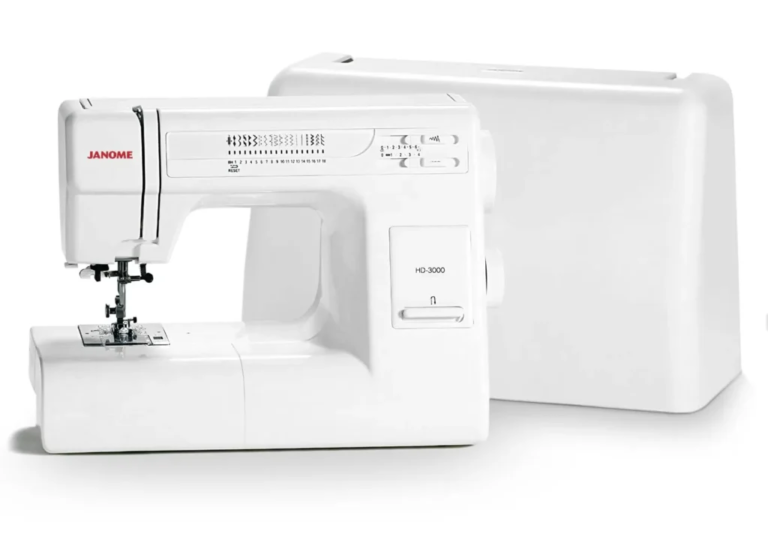
JOANN store locations had dedicated sections for sewing machine accessories. Presser feet were sorted by use, needles by fabric type, and thread by color. Staff could help confirm which walking foot worked with your Brother, Singer, or Janome machine.
You could try buttonhole feet and blind hem feet before buying, reducing mistakes. Price matching also helped you compare store and online deals.
Now, online stores give you detailed compatibility guides, video tutorials, and real user reviews to help you choose.
Where to Buy Sewing Accessories Now
- Amazon: Large variety of brand-specific and universal presser feet, needles, and bobbins. Search using your machine model, like “Brother CS6000i walking foot”. Reviews help you avoid wrong purchases.
- Walmart: Offers basic accessories like thread, needles, and simple presser feet. Good for quick needs, but fewer options.
- Manufacturer websites: Singer.com, Brother.com, Janome.com provide guaranteed compatible accessories. Prices may be higher, but reliability is strong.
- Specialty sewing shops: Offer selected tools, expert support, and unique accessories not found elsewhere.
| Retailer | Selection | Pricing | Best For |
|---|---|---|---|
| Amazon | Extensive | Competitive | Most accessories, read reviews |
| Walmart | Basic essentials | Budget | Thread, needles, basics |
| Manufacturer sites | Brand-specific | Higher | Guaranteed fit |
| Specialty shops | Curated | Mid-range | Expert advice, rare items |
Essential Presser Feet Every Sewer Needs
Most sewing machines come with a standard foot, a zipper foot, and sometimes a buttonhole foot. These handle about 60% of sewing tasks. For the remaining projects, you’ll need extra presser feet.
1.Walking Foot: The Quilter’s Essential Tool
Most sewing machines come with a standard foot, a zipper foot, and sometimes a buttonhole foot. These handle about 60% of sewing tasks. For the remaining projects, you’ll need extra presser feet.
A walking foot feeds fabric evenly from both the top and bottom. Regular presser feet only feed from the bottom, which can cause shifting.
Use it for:
- Quilting and patchwork
- Slippery fabrics like silk, velvet, or knits
- Multiple fabric layers
Compatibility:
- Brother: Low-shank snap-on
- Singer: Low-shank or snap-on
- Janome: Low-shank or model-specific
- Cost: $20-$40 on Amazon. Brand-specific options work better with computerized machines.

2. Zipper Foot: More Than Just Zippers
Zipper feet allow you to stitch close to zipper edges. They are also useful for:
- Adding piping to cushions
- Decorative cording
- Attaching trims
- Cost: $5-$15 depending on design
3. Buttonhole Foot: Automatic vs Manual
Helps create neat buttonholes. Automatic versions measure the button and sew the correct size. Manual ones require you to measure first. Always test on extra fabric before sewing.
Cost: $8-$25 depending on type and brand
4. Blind Hem Foot: Invisible Hems
Creates nearly invisible hems with a built-in guide for alignment. Ideal for pants, skirts, and curtains. Cost: $6-$12 replacement
5. Specialty Feet Worth Adding
- Rolled Hem Foot: For narrow hems on light fabrics like chiffon and cotton. $8-$15
- Gathering Foot: Makes ruffles automatically. $10-$18
- Quarter-Inch Foot: Ensures precise seams for quilting. $6-$12
- Darning/Free-Motion Foot: Used for embroidery and quilting. $12-$20
Sewing Machine Needles: The Most Important Accessory
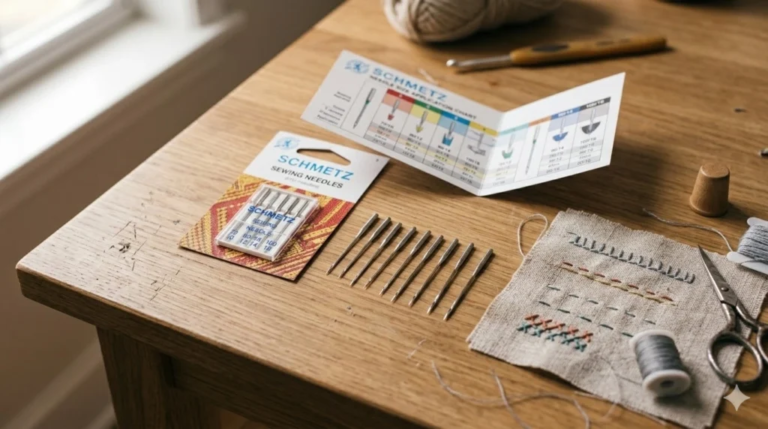
Using wrong or dull needle causes most sewing issues. Replace needles after 8-10 hours of use or if you notice:
- Skipped stitches
- Wrinkled seams
- Bent or damaged needles from pins
Types of Needles
- Universal: Works for most fabrics (sizes 70/10–100/16)
- Ballpoint/Jersey: Best for knit and stretch fabrics
- Stretch: Ideal for elastic materials like spandex
- Denim/Jeans: For heavy fabrics like denim or canvas Also works well for burlap fabric projects that need strong needles
- Leather: For leather, vinyl, and suede
- Twin/Double: Creates two parallel stitch lines

Brands
- Schmetz: High-quality needles, $12-$15 per 10
- Singer/Brother: Affordable options for matching machines, $8-$12
Bobbins: Small Parts That Cause Big Problems
Always use the correct bobbin type for your sewing machine:
- Class 15: Common in most home machines
- Class 66: Found in older Singer and Janome models
- SA156: Designed for Janome machines
- M-Style: Used in advanced machines like Bernina

Metal vs Plastic:
- Metal: Provides steady tension, good for frequent use
- Plastic: Lower cost, required for some machines with sensors
Keep at least 6-8 bobbins for occasional sewing, 12-15 for regular use, and 20+ for heavy sewing work. Buy from Amazon, Walmart, or manufacturer websites.
Thread: The Foundation of Quality Stitches
Low-quality thread can break easily and create lint buildup. For upholstery projects or thick materials, choose strong thread that can handle stress. Use polyester thread for general sewing and cotton thread for quilting.
Thread weights:
- 50 wt: Standard use
- 40 wt: Thicker fabrics and topstitching
- 60 wt: Lightweight fabrics
- Brands to consider: Gutermann, Coats & Clark, Mettler, Aurifil.
Start with basic colors like white, black, gray, navy, and beige. Store thread away from heat and sunlight.
Cutting Tools: Rotary Cutters and Mats
Precise cutting ensures your fabric pieces fit correctly When working with felt fabric, a sharp rotary cutter gives smooth edges that do not fray .Dull scissors or uneven cutting leads to poor alignment and wasted fabric during sewing.

Self-Healing Cutting Mats
- 18×24″: suitable for basic sewing ($20-$30)
- 24×36″: ideal for most home projects ($40-$60)
- 36×60″: best for professional use ($100-$150)
Rotary Cutters
- 45 mm: standard size for most fabrics ($12-$18)
- 60 mm: better for thick layers ($18-$25)
- 28 mm: perfect for curves and small details ($10-$15)
Fabric Scissors
- 8-inch: everyday cutting ($20-$40)
- Pinking shears: prevents fraying with zigzag edges ($18-$30)
- Thread snips: for small, precise cuts ($8-$15)
Measuring and Marking Tools
- Measuring Tape: 60-inch flexible tape ($3-$6)
- Clear Ruler: 18-inch or longer with grid lines ($8-$15)
- Seam Gauge: 6-inch sliding tool ($4-$8)
- Marking Pencils/Chalk: washable and accurate ($2-$6)
Building Your Sewing Accessory Kit: Budget Strategy
1. Starter Kit ($80-$120)
- Presser feet (walking, zipper, buttonhole)
- Needles (universal and ballpoint)
- Bobbins (10-12)
- Thread (white, black, gray)
- Cutting tools (rotary cutter, 18×24 mat)
2. Intermediate Kit ($60-$100)
- Blind hem foot, rolled hem foot
- Extra thread, fabric scissors
- Bigger cutting mat
- Seam ripper, marking tools
3. Advanced/Quilting Kit ($100-$180)
- Quarter-inch foot, free-motion foot
- Large cutting mat, quilting rulers
- Special needles, different thread types
Money-Saving Tips
- Buy sets: multi-piece presser foot kits cost 30-40% less
- Look for discounts on Amazon
- Spend more on tools you use daily (cutting mats, rotary cutters)
- Begin with basics and upgrade over time
Even without JOANN, online shopping and smart planning help you build a complete sewing setup for all types of projects
Conclusion
Even without JOANN, online shopping makes it easy to build a full sewing setup. The right sewing accessories improve how your machine works and make even detailed projects easier to handle. Today, online stores provide a wide range of presser feet, needles, thread, and cutting tools, along with reviews and compatibility guides, so you can choose with confidence. By picking quality items and adding them step by step, you can create a sewing setup that saves time, improves results, and makes every project smoother all from home.
Frequently Asked Questions
What presser feet should beginners buy first?
Walking foot and zipper foot they fix most fabric feeding and shifting problems.
Are generic presser feet safe?
Yes for low-shank machines (most home models). They can save around 50% compared to branded options.
What are the Best needle brand?
Schmetz for higher quality; Singer/Brother for budget-friendly choices.
Where to buy sewing accessories now?
Amazon for variety and reviews; Walmart for basic items; manufacturer sites for guaranteed fit.
How often do i need to replace rotary blades?
Usually every 6 to 12 months or when cutting becomes rough.