Felt Fabric at Joanns: Complete Guide to Felt Sheets, Wool Felt & Crafts
Felt fabric is a simple and useful material often used in crafts, DIY projects, and home décor. You can use it to make ornaments, toys, wall art, or even table decorations. For example, you can create a bright felt wreath for the holidays or make colorful felt flowers for school or home displays. Felt is easy to cut, shape, and glue, which makes it a great choice for both kids and adults. Whether you are just starting or already enjoy crafting, felt is a good option for many creative ideas. At JOANN fabrics, you could find many types of felt sheets and felt fabric by the yard, making it easy to get what you need for any project. Felt is one of the easiest materials in fabrics to use for craft and DIY projects.
What Is Felt Fabric?
Felt fabric is a non-woven material made by pressing and bonding fibers together. Unlike regular fabrics, felt is not made by weaving threads. Instead, it is created using heat, moisture, and pressure on fibers like wool, acrylic, or polyester. This process forms a thick and strong fabric that holds its shape well.
Felt is available in both natural and synthetic types. Wool felt is soft, warm, and long-lasting, making it a good choice for projects that need strength and structure. Acrylic or polyester felt is more affordable and comes in many colors. Felt does not fray easily, so you can cut clean shapes without sewing edges. This makes it perfect for Christmas ornaments and detailed craft work. Felt can be smooth, fuzzy, or even glittery, giving you many creative options for DIY projects.
A Brief History of Felt Fabric
Felt is one of the oldest fabrics in the world, used thousands of years ago. Early versions were made from animal fibers like wool and were used for clothing, rugs, and shelters. Today, felt is made using modern machines, and synthetic options are widely available, making it popular for crafts, school projects, and home décor.
In the past, felt was very important for nomadic groups, especially in Central Asia. It was used to make tents, clothing, and rugs because it was warm and strong. Over time, felt became popular in Europe, where it was used for hats, coats, and decorative items. Today, eco-friendly felt made from recycled fibers is also available, which is a good option for people who want sustainable materials.
How Is Felt Fabric Made?
Felt can be made using different methods, from simple handmade techniques to factory production. Each method creates felt with different textures and uses.
Wet Felting (Traditional Wool Method)
Wet felting is done by layering wool fibers, adding water, and rubbing them together until they bond. This method creates strong and high-quality felt, often used for crafts and decorations. Soap is usually added to help the fibers stick together. You can mix different colors of wool to create unique designs. Small projects like coasters, ornaments, and wall art are easy to make with this method, while larger items can be made with more time and practice. If you enjoy working with natural fibers, you might also like burlap fabric for rustic crafts.
Needle Felting
Needle felting uses a special barbed needle to push and tangle fibers into shape. It is commonly used for making small items like toys, ornaments, and learning tools. This method is great for beginners and hobby crafters. A foam pad is usually placed underneath to protect your hands and work surface. Needle felting allows you to create detailed 3D shapes like animals, figures, and decorative pieces.
Industrial & Machine-Made Felt
Machine-made felt is produced using synthetic fibers such as acrylic or polyester. It is available in sheets or by the yard and can be found at stores like JOANN. This type of felt is affordable and widely used for bulk projects and home décor. It has an even thickness, which makes it suitable for larger projects like banners, upholstery, or display boards. It is also a good option for schools, craft groups, and small businesses that need materials in large quantities.
Types of Felt Fabric You Can Buy
You can buy felt fabric in different types based on fiber, strength, and purpose. Whether you are doing crafts, decorating, or school projects, there is a felt type for every use.
Wool Felt Fabric
High-quality and long-lasting, wool felt fabric is great for premium crafts and DIY work. It keeps its shape well and stays strong over time.
Acrylic or Polyester Felt
Acrylic or polyester felt sheets are low-cost and simple to use. They are perfect for kids’ crafts, school work, and beginner projects.
Blended Felt Fabric
Blended felt mixes natural and synthetic fibers. This gives a good balance between durability and price, making it useful for many types of projects.
Choosing Felt by Thickness
You can also pick felt based on thickness. Thin felt (1-2mm) is best for small details and applique work. Medium felt (2-3mm) works well for toys and decorations. Thick felt (4-5mm+) is good for strong items like coasters, boards, or padding.
Felt Fabric Colors & Styles
Felt fabric comes in many colors and styles, from simple shades to bright and special designs. Choosing the right type helps improve your crafts and décor.
Black Felt Fabric
Black felt is often used in crafts where you need strong contrast or fine detail.
Green Felt Fabric
Green felt fabric is great for table covers, holiday décor, and themed craft projects.
Specialty Felt Sheets
Specialty felt includes unique colors like purple, glitter finishes, or seasonal patterns for festive and creative projects.
What Is Felt Fabric Used For?
Felt fabric is used in many ways, from creative crafts to useful home and school items. Its flexibility makes it popular for both beginners and experienced crafters. Felt is easy to cut, shape, and layer, which allows many design options.
Crafting & DIY Projects
Felt is great for ornaments, toys, and hobby crafts. Many people used felt sheets from JOANN for simple DIY ideas like decorations, banners, coasters, and handmade cards. It holds its shape well, making it ideal for 3D crafts like stuffed toys, mini houses, and felt flowers.
Apparel & Accessories
Felt fabric is used for items like hats, bags, patches, and clothing designs. It is light but keeps its shape, so it works well for custom designs and decorative details. For projects requiring more structure, consider upholstery-weight fabrics. You can sew, glue, or layer felt to add texture to different items.
Home Décor Projects
Felt is used in home décor like wall art, coasters, and table mats. It adds color and a soft feel to any space. It can also be combined with other materials like wood or beads to create unique designs.
Upholstery & Soundproofing
Thicker felt is used for sound panels, furniture lining, and padding. Its dense structure helps reduce noise, making it useful for rooms, classrooms, and furniture protection. It is strong enough for regular use.
Educational & Sensory Tools
Felt is widely used in schools for learning boards, maps, and play mats. Its soft texture makes it safe for kids and good for hands-on learning. Felt shapes, letters, and numbers can be reused for fun and interactive activities.
Felt Fabric by the Yard vs Felt Sheets
Felt fabric by the yard is better for large projects and custom sizes, while pre-cut felt sheets are easier for small crafts and quick use. JOANN used to offer both options for different crafting needs. Buying felt by the yard works well for big projects like costumes, quilts, banners, or large decorations. Pre-cut sheets are great for fast crafts, school activities, or gift ideas. Cutting tips: measure properly to avoid waste, and use a sharp cutter for clean edges. Many beginners also practice cutting on muslin fabric before working on felt projects.
Can You Iron Felt Fabric?
Felt can be ironed carefully. Use low heat to avoid damage, especially with synthetic felt. Always place a cloth between the iron and the felt to protect the surface.
Steps for safe ironing:
- Set the iron to low heat
- Place a thin cloth or towel over the felt
- Press gently; do not slide the iron
- Avoid high heat on synthetic felt as it may melt
Pros and Cons of Felt Fabric
Pros of Felt Fabric
- Doesn’t fray, so it is easy to cut
- Beginner-friendly for crafts
- Available in many colors and textures
Cons of Felt Fabric
- Sensitive to heat
- Does not stretch much, so not good for all clothing
Pro Tips: Felt is strong enough for layering, making 3D designs, and mixing with materials like wood, beads, or glue. To avoid problems, do not use high heat and add support when using thin felt for heavy projects.
Felt Fabric vs Other Fabrics
This section explains how felt is different from other fabrics in texture, structure, and use. Knowing these differences helps you choose the right fabric for your project.
Felt Fabric vs Wool Fabric
Felt is thicker and less stretchy than woven wool, so it is better for crafts instead of clothing.
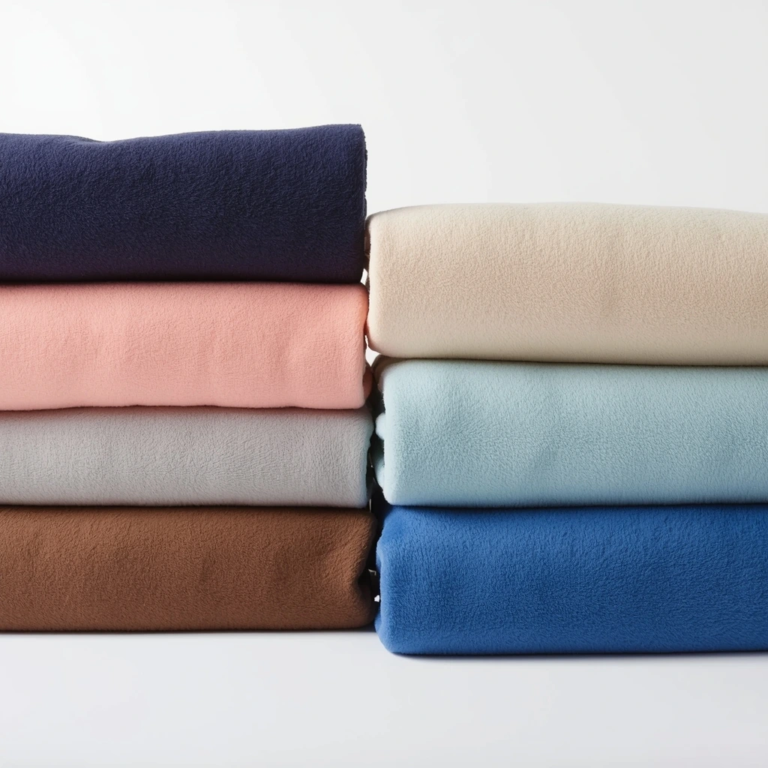
Felt vs Fleece vs Flannel
Felt has a firm texture and holds shape well, while fleece is softer and flannel is more flexible for sewing projects.
| Fabric Type | Texture | Stretch | Best Use | Durability |
|---|---|---|---|---|
| Felt | Dense, firm | Low | Crafts, décor, educational tools | High |
| Wool | Soft, flexible | Medium | Clothing, accessories | Medium–High |
| Fleece | Soft, plush | Medium | Blankets, winter apparel | Medium |
| Flannel | Smooth, woven | Medium | Shirts, pajamas | Medium |
Caring for Felt Fabric
Felt fabric is strong, flexible, and great for many types of crafts, but it still needs proper care to keep its shape and texture. With the right care, your felt sheets or felt by the yard can stay soft, bright, and ready to use for a long time.
Follow these simple steps to care for your felt fabric:
- Hand Wash Only – Use cold water and a mild detergent. Do not scrub too hard, as this can damage the fibers.
- Avoid Wringing – Gently press out extra water using a towel instead of twisting the fabric.
- Lay Flat to Dry – Place felt on a flat surface and let it air dry so it keeps its shape.
- Store Properly – Keep felt in a cool and dry place, away from sunlight or heat to avoid fading or shrinking.
- Handle with Care – Do not stretch or pull felt too much, as it can lose its shape.
By following these steps, you can use your felt fabric for crafts, décor, and DIY projects without worrying about damage. For sewing projects, using the right tools can also help improve your results.
Final Thoughts on Felt Fabric
Whether you shop online or looking for stores like JOANN near me, felt fabric is still easy to find and affordable. Felt sheets and felt by the yard are both good options for beginners and experienced crafters. Wool felt is best for strong and long-lasting projects, while acrylic or blended felt is better for budget-friendly or kids’ crafts.
Whether you are making holiday decorations, classroom learning boards, or handmade gifts, felt is a useful material for many ideas. Try different colors, thickness levels, and textures to create unique projects. Felt has been used for many years and continues to be a favorite choice for craft lovers.
Frequently Asked Questions
What Is Felt Fabric Used For?
Felt fabric is used for crafts, home décor, school projects, and fashion accessories. It is popular for making ornaments, toys, wall art, and learning tools because it is easy to cut and shape.
Does Fabric Glue Work on Felt?
Yes, most fabric glues work well on felt, especially for light and simple projects. Glue is a quick option for crafts where sewing is not needed.
Is Wool Felt Better Than Acrylic Felt?
Wool felt is stronger, more durable, and higher quality. Acrylic felt is more affordable and easier to use, which makes it a good choice for kids’ crafts and basic projects.
Can You Buy Felt Fabric by the Yard?
Yes, Amazon and other craft stores offer felt fabric by the yard, which is ideal for large projects and custom sizes.