Poplin Fabric at JOANN: Complete Types, Uses & Buying Guide
Poplin is a tightly woven cotton fabric with a smooth surface and a light horizontal rib texture. This texture comes from thicker weft yarn crossing over finer warp yarn in a plain weave pattern. It is one of the most commonly used lightweight fabrics for dress shirts, blouses, school uniforms, and summer dresses. JOANN Fabrics offered cotton poplin fabric by the yard in both solid colors and printed designs in the apparel section, placed alongside broadcloth, lawn, and chambray in the cotton fabric aisle.
After major store closures and changes in 2025, searches for poplin fabric joann and cotton poplin fabric joann shifted online. This guide explains different types of poplin, how to choose the right one, simple sewing tips for beginners, project ideas, care instructions, pricing, and where to buy poplin fabric by the yard today through the full joann fabrics fabric collection.
What Is Poplin Fabric
Poplin fabric is a lightweight plain weave cotton made with fine warp yarn and thicker weft yarn, which creates a soft horizontal rib texture. It is commonly used for dress shirts, blouses, school uniforms, and lightweight summer clothing.
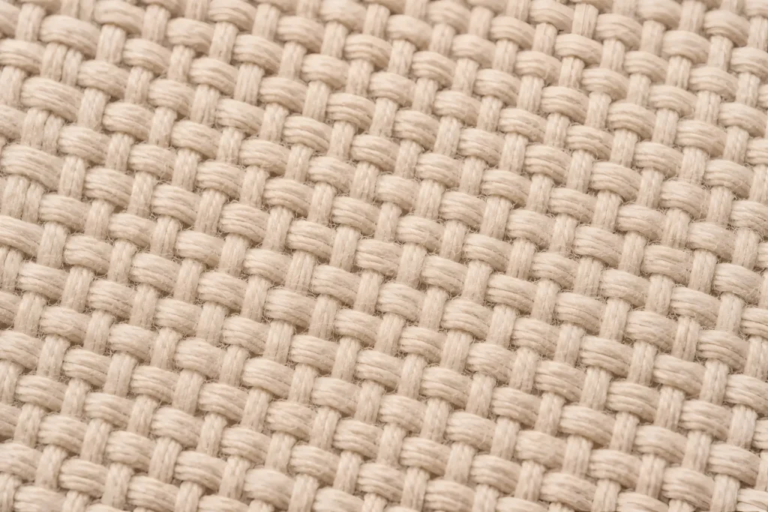
Poplin is built using fine warp yarn that runs lengthwise and thicker weft yarn that runs across the fabric. This difference in yarn size creates the slight rib texture that makes poplin different from smoother fabrics like broadcloth. The result is a fabric that feels crisp, smooth, and slightly structured without being stiff. Poplin is often described as warp-dominant because the fine warp yarn is more visible on the surface, while the thicker weft yarn forms the subtle rib underneath.
Modern poplin is usually made from 100 percent cotton or a cotton-poly blend. Most cotton poplin fabrics fall between 100 and 140 GSM, depending on how tightly the yarns are woven and what the fabric is used for. The plain weave makes poplin stable and easy to sew, which is why it works well for both tailored clothing and beginner sewing projects. Fabric width typically ranges from 44 to 60 inches depending on the manufacturer.

What Is Poplin Fabric Used For
Poplin is used in many apparel, craft, and home projects because it is breathable, smooth, and holds its shape well. Its clean and slightly crisp feel makes it a popular choice for both everyday clothing and structured sewing projects. Poplin is known as a shirting fabric, which is why it is widely used in both factory-made shirts and home sewing.
Common uses include:
- Dress shirt fabric for button-down shirts and formal tops where a crisp surface is needed
- Blouse fabric in solid and printed styles for casual and work wear
- Summer dress fabric for light and breathable dresses
- Lightweight summer clothing like shorts, skirts, and casual tops
- School uniform fabric for shirts and blouses that can handle regular washing
- Children’s clothing fabric for comfortable everyday wear in warm weather
- Pleated skirt fabric because it holds pleats neatly without losing shape
- Structured garment fabric for fitted shirts and tailored designs
- Lining fabric for jackets and bags to improve structure and comfort
- Beginner sewing fabric because it is easy to cut, sew, and press
- Embroidery fabric base since the tight weave keeps stitches neat
- Heat transfer vinyl compatible fabric for custom shirts, tote bags, and DIY designs
- Craft cotton fabric for general sewing and creative projects
- DIY pillow covers in solid or printed poplin for quick home décor updates
- Table linens such as napkins, tablecloths, and placemats
- Fabric for curtains in light café or panel styles
- Fabric for appliqué because it cuts cleanly and resists fraying
- Quilting cotton alternative for quilt backings where a lighter and smoother fabric is preferred
Types of Poplin Fabric
| Type | Fiber Content | Weight | Best Use | Beginner Friendly |
|---|---|---|---|---|
| 100% cotton poplin | Cotton | Light | Shirts, dresses, uniforms | Yes |
| Cotton-poly poplin blend | Cotton-polyester | Light | Uniforms, craft, everyday wear | Yes |
| Printed poplin | Cotton or blend | Light | Craft, costumes, casual apparel | Yes |
| Solid color poplin | Cotton or blend | Light | Apparel, table linens, décor | Yes |
| Preshrunk poplin | Cotton | Light | Garments needing wash stability | Yes |
| Stretch poplin | Cotton-spandex blend | Light-medium | Fitted dresses, activewear | Medium |
100% Cotton Poplin
Pure cotton poplin is the most breathable option in this category. It has a natural crisp feel that helps garments keep their shape without feeling heavy or stiff. It is fully machine washable and holds color well, making it a great choice for summer clothing and children’s wear.
Cotton-Poly Poplin Blend
Cotton-poly poplin blends add wrinkle resistance to the cotton base. A common 65/35 blend keeps most of the breathability while reducing wrinkles after washing. This makes it a practical choice for school uniforms since it comes out of the dryer looking neat with little to no ironing.
Printed Poplin
Printed poplin features patterns or designs applied directly onto the smooth surface. The tight weave allows prints to appear sharp and clear, which is why it works well for children’s clothing, costumes, and seasonal craft projects. JOANN carried printed poplin in florals, stripes, geometric designs, novelty prints, and character themes.
Solid Color Poplin
Solid poplin is one of the most flexible options for both clothing and home sewing. Its smooth and even color surface pairs easily with other design elements. JOANN stocked solid poplin in basic colors like white, black, navy, red, pink, blue, and green, along with additional seasonal shades throughout the year.
Preshrunk Poplin
Preshrunk cotton poplin is treated before sale to reduce shrinkage. This means the fabric is more stable and ready to use without needing a prewash. If the fabric is not labeled preshrunk, it should always be washed and dried before cutting to avoid size changes later.
Stretch Poplin
Stretch poplin includes a small amount of spandex, giving it flexibility in one or more directions. It is useful for fitted clothing like summer dresses and structured tops where some stretch improves comfort. When sewing, a stretch stitch or narrow zigzag is recommended.
Most Popular Poplin Colors at JOANN
JOANN offered poplin in a wide range of colors in the apparel section, with seasonal displays changing throughout the year. The most popular colors reflected both everyday clothing needs and seasonal trends.
Core colors available year-round included:
- White poplin fabric — widely used for dress shirts, uniforms, and embroidery projects
- Black poplin fabric — common for formal wear, costumes, and structured garments
- Pink poplin fabric — popular for children’s clothing and spring outfits
- Blue poplin fabric — often used for school uniforms and classic shirts
- Green poplin fabric — used in seasonal clothing, crafts, and holiday sewing
- Plaid poplin fabric — available in seasonal plaid designs for fall clothing and casual wear

What Poplin Fabric Is Not
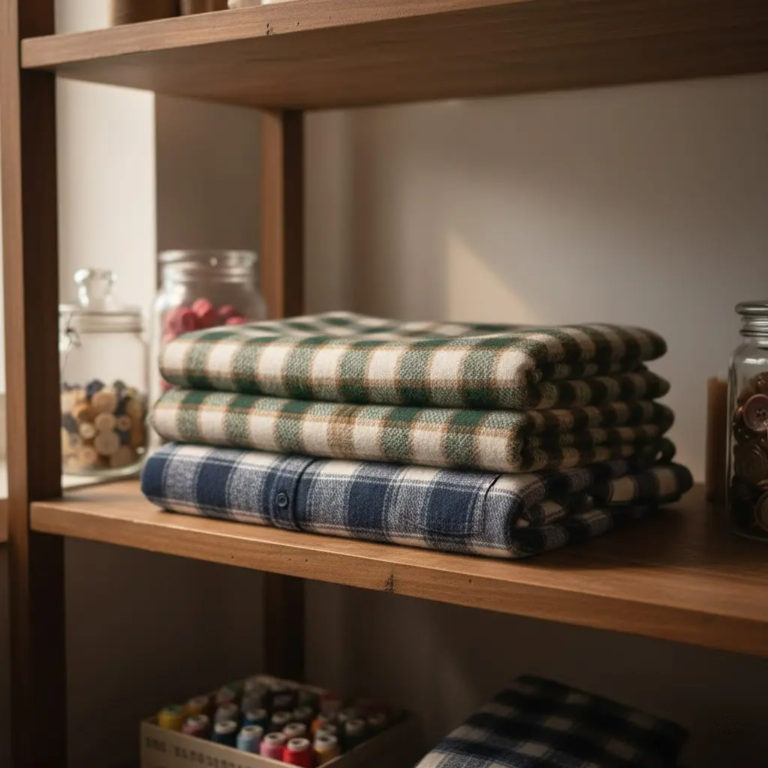
Poplin is a lightweight apparel fabric, and it is important to understand what it is not used for. Poplin is not an upholstery fabric because it does not have enough weight or strength for furniture use. It is not flannel, which is a soft and brushed fabric made for cold weather. It is not linen, which has a more uneven and textured surface from natural fibers. It is also not heavy canvas, which is thick and stiff for bags and outerwear.
Poplin is also not traditional quilting cotton, although it can be used as a lighter alternative for quilt backing. If you are searching for fabric that looks or sounds similar to poplin but serves a completely different function, the fabrics category covers every cotton type with clear use-case distinctions.
What Does Poplin Fabric Feel Like
Poplin has a crisp and smooth feel with a slight texture from the horizontal rib across the surface. When you touch it, it feels clean and a bit structured. It is not soft or fluffy but has a neat and professional feel that holds its shape without being stiff. Its breathable structure makes it a great option for warm-weather clothing where comfort is important.
The drape of poplin is medium to slightly structured. It hangs neatly in shirts and dresses without sticking to the body. It also has good coverage for a lightweight fabric, so most garments do not need extra lining. This balance of structure and comfort made poplin a popular choice in fabric stores like JOANN.
How to Choose the Right Poplin Fabric
For shirts and structured clothing, 100% cotton poplin is a good choice because it is breathable and holds its shape well. For school uniforms and everyday wear, cotton-poly poplin blends are better since they reduce wrinkles and are easier to care for. This is why poplin remained a common fabric in the apparel section at JOANN.
For heat transfer vinyl projects, both cotton and cotton-blend poplin work well with standard heat settings. Stretch poplin is not recommended for this because the spandex content can react poorly to high heat. For pleated skirts, choose a slightly heavier poplin that can hold the folds properly. For quilting backs and appliqué, regular cotton poplin works as a smooth and stable alternative to traditional quilting cotton. For more quilting-specific options see the quilt fabric guide.
Poplin vs Broadcloth vs Lawn
| Feature | Poplin | Broadcloth | Lawn |
|---|---|---|---|
| Weave | Plain | Plain | Plain |
| Surface texture | Fine horizontal rib | Completely smooth | Very smooth, sheer |
| Weft yarn | Thicker | Fine | Fine |
| Fabric hand | Crisp, structured | Smooth, soft | Soft, airy |
| Weight | Light | Light | Very light |
| Best use | Shirts, uniforms, dresses | Soft apparel, craft | Blouses, flowing dresses |
| Beginner friendly | Yes | Yes | Medium |
Poplin usually has a slightly lower thread count than broadcloth but uses thicker yarns in the crosswise direction, which creates its light rib texture. Compared to muslin fabric, poplin looks more finished and holds color better in completed garments. Compared to cotton canvas fabric, it is much lighter and used for very different types of projects. For a full overview of cotton fabric options, see cotton fabric guide.

Beginner Tips for Using Poplin Fabric
Poplin is one of the easiest fabrics for beginners because it feeds smoothly through the machine and presses well, helping projects look neat and clean.
- Prewash before cutting if the poplin is not labeled preshrunk cotton — cotton poplin can shrink about 3 to 5 percent in the first wash
- Use a universal needle size 70/10 or 80/12 — a sharp needle helps avoid skipped stitches on the tight weave
- Set stitch length to 2.0 to 2.5 mm for clean seams without damaging the fabric
- Press every seam as you sew using a cotton iron setting — this helps garments look more finished
- Cut along the fabric grainline using the selvedge edge as a guide — off-grain cuts can twist after washing
- For embroidery and HTV projects, use a lightweight stabilizer to prevent puckering
Finish raw edges with a serger or zigzag stitch before sewing pieces together for machines that handle woven cotton well see joann sewing machines guide.
Common Mistakes to Avoid
Skipping the prewash step is the most common mistake with poplin. Cotton poplin can shrink and shift during the first wash, which may cause finished garments to hang unevenly. Prewashing helps prevent this issue and protects your project.
Using a dull needle can lead to skipped stitches and uneven seams. Poplin has a tight weave, so it needs a fresh sharp needle to sew cleanly. Always test your stitches on a scrap piece before starting.
Choosing poplin for heavy-duty projects like upholstery or bags is not recommended. Poplin is a lightweight fabric made for clothing, table linens, and simple crafts. It does not have the strength needed for furniture or heavy use. For heavier fabric needs see the upholstery fabric guide.
Price Range and Budget Considerations
| Poplin Type | Price per Yard | Difficulty Level |
|---|---|---|
| Cotton-poly poplin blend | $3 to $6 | Easy |
| 100% cotton poplin | $4 to $8 | Easy |
| Printed poplin | $5 to $10 | Easy |
| Stretch poplin | $7 to $13 | Medium |
| Premium preshrunk poplin | $6 to $10 | Easy |
Project Ideas Using Poplin Fabric
Classic button-down dress shirts in solid white, blue, or printed poplin for everyday and formal wear
Tailored blouses in cotton poplin where the crisp feel helps shape collars and cuffs
Summer dresses in lightweight printed poplin for breathable warm-weather outfits
Pleated skirts in solid poplin where the fabric holds pleats neatly
School uniform shirts and blouses in cotton-poly poplin blends for durability and easy care
DIY pillow covers in printed poplin — a simple beginner project that can be finished quickly
Fabric napkins and table linens in matching solid and printed poplin sets
Lightweight curtain panels in solid poplin for soft filtered light
Embroidery sampler projects using poplin as a stable base for stitching
HTV t-shirt and tote projects using solid poplin for custom designs
Fabric for appliqué in quilts and wall décor because the tight weave prevents fraying

Why Poplin Was a Core Category at JOANN Fabrics
Poplin was one of JOANN’s most reliable fabric categories because it worked for many everyday clothing needs in one fabric type. The fabric department displayed poplin bolts in the apparel section, usually organized by color family. Solid colors were grouped together, while printed poplin was placed in a nearby section for easy browsing. The JOANN cutting counter handled large amounts of poplin, especially during spring and back-to-school seasons when people were sewing dresses and school uniforms.
JOANN offered both 100% cotton poplin and cotton-poly blends to fit different budgets and project needs. Store brand options were available alongside well-known fabric brands, giving customers more affordable choices. Many shoppers bought several yards of matching poplin for uniforms and seasonal clothing projects. Weekly JOANN coupons of 40 to 50 percent off and remnant bin deals made poplin fabric by the yard one of the most budget-friendly and easy-to-find options in fabric collection.

Why Poplin Was a Core Category at JOANN Fabrics
| Feature | JOANN Historical | Michaels | Hobby Lobby |
|---|---|---|---|
| Poplin selection | Wide, solid and printed | Very limited | Moderate |
| Color range | 40-plus solids and seasonal prints | Minimal | Basic solids |
| Printed poplin | Yes, extensive | No | Limited |
| Cotton-poly blend | Yes | Rarely | Yes |
| Preshrunk options | Yes | Rarely | Occasionally |
| Price per yard | $3 to $8 | Higher | $3 to $7 |
| Coupon culture | 40 to 50% weekly | Occasional | 40% weekly |
| Fabric cutting counter | Yes, full service | No | Yes, limited |
| Post-closure access | Amazon | In-store limited | In-store |
JOANN had one of the largest poplin fabric selections among major craft stores. The range of solid colors, seasonal prints, and licensed character poplin was wider than what most competitors offered. Michaels carried a smaller selection, while Hobby Lobby offered basic poplin in a good color range but did not match the variety of printed designs JOANN stocked. Today, Amazon provides the widest online selection of poplin, with customer reviews that help buyers check color accuracy and fabric feel before purchasing.
Poplin Fabric at JOANN
JOANN organized poplin in the apparel fabric section along with other shirting fabrics like broadcloth, lawn, and chambray. Solid poplin bolts were grouped by color family, making it easy to match fabric for uniforms and clothing projects. Printed poplin was displayed in its own section, organized by themes such as seasonal prints, children’s characters, and classic patterns.
The JOANN cutting counter staff cut poplin carefully along the fabric grainline, which was important for customers buying multiple yards for shirts and dresses. Sample pieces were also available so customers could check color and drape under store lighting before purchasing. Many people searching joann fabrics near me during spring sewing season were trying to find specific poplin colors for ongoing projects.
JOANN Fabrics Store Updates and Transition
After widespread store closures and restructuring in 2025, poplin fabric is no longer available in physical JOANN stores. However, the same cotton poplin fabrics that customers used for shirts, uniforms, dresses, and crafts are still available through online retailers like Amazon and Hobby Lobby. This guide helps explain what JOANN offered and where to find similar options today.
Where to Buy Poplin Fabric Now
Amazon currently offers the widest range of poplin fabric by the yard, including 100% cotton poplin, cotton-poly blends, printed styles, solid colors, and preshrunk options at different price points. Many online stores also provide free shipping after a certain order amount. Bulk buying options are available for those making multiple garments, and online ordering allows you to choose exact yardage in the color and width you need.
How to Sew Poplin Fabric
- Prewash and dry the poplin before cutting if it is not labeled preshrunk cotton
- Press the fabric smooth with a cotton iron setting before laying out pattern pieces
- Align all pattern pieces on the fabric grainline parallel to the selvedge edge
- Use sharp fabric scissors or a rotary cutter for clean cuts on the tightly woven cotton
- Mark notches, darts, and construction marks with tailor’s chalk or a fabric marker
- Install a fresh universal needle size 70/10 or 80/12 before sewing
- Set stitch length to 2.0 to 2.5 mm for garment seams
- Sew a test seam on a poplin scrap before starting the actual project
- Press every seam open or to one side as you sew
- Finish raw edges with a serger or zigzag stitch to prevent fraying after washing
- For HTV applications press at 305 to 320 degrees Fahrenheit at standard pressure
Care and Maintenance
Poplin is simple to care for and handles regular washing without much trouble. Wash 100% cotton poplin on a cool or gentle cycle to help prevent shrinkage and fading over time. Cotton-poly poplin blends are more stable and can usually handle warm water without issues.
Tumble dry on medium heat and remove promptly to reduce wrinkling. Pure cotton poplin tends to wrinkle more than blended versions because it does not contain wrinkle-resistant fibers. A quick press with a cotton iron setting restores its crisp finish and smooth look.
| Poplin Type | Washing | Drying | Pressing | Storage |
|---|---|---|---|---|
| 100% cotton poplin | Machine wash cool | Tumble dry medium | Cotton iron | Fold or hang |
| Cotton-poly blend | Machine wash warm | Tumble dry medium | Warm iron | Fold or hang |
| Printed poplin | Machine wash cool inside out | Tumble dry low | Warm iron | Fold |
| Stretch poplin | Machine wash cool gentle | Air dry or low heat | Warm iron with care | Fold |
| Preshrunk poplin | Machine wash cool | Tumble dry medium | Cotton iron | Fold or hang |
Frequently Asked Questions
What is poplin fabric?
A lightweight plain weave cotton with fine warp yarn and thicker weft yarn creating a subtle horizontal rib, used for dress shirts, blouses, uniforms, and summer dresses.
What is cotton poplin fabric?
100% cotton poplin with a crisp hand, fine horizontal rib texture, and breathable construction suited for apparel and light craft.
What is poplin shirt fabric?
A crisp lightweight cotton used for tailored button-down shirts because its smooth surface and structured drape hold collar and cuff construction cleanly.
What does poplin fabric feel like?
Crisp, smooth, and slightly structured with a subtle horizontal rib. It feels more formal than broadcloth and holds its shape without feeling stiff.
What is the difference between poplin and broadcloth?
Poplin has a light horizontal rib from thicker weft yarn, while broadcloth is completely smooth. Both are plain weave shirting fabrics, but poplin feels a bit crisper.
Did JOANN carry poplin fabric by the yard?
Yes, JOANN stocked cotton poplin in solid colors and printed designs at the cutting counter in 44 to 60 inch bolt widths across the apparel fabric section.
Is poplin good for beginners?
Yes, it is easy to cut, easy to sew, presses well, and works on basic home sewing machines without special settings.
Is poplin fabric good for summer?
Yes, cotton poplin is breathable and lightweight, making it a good choice for summer dresses and light clothing.
Can poplin be used for curtains?
Yes, for light café or tier curtains. For full light blocking, add a lining because poplin alone is not thick enough for blackout use.
Does poplin wrinkle easily?
100% cotton poplin wrinkles more than cotton-poly blends. The blend version resists wrinkles better and stays neater after washing.
What needle should I use for poplin?
Use a universal needle size 70/10 or 80/12 for regular poplin. For stretch poplin, use a stretch needle size 75/11.
What can I make with poplin fabric?
Dress shirts, blouses, summer dresses, pleated skirts, school uniforms, children’s clothing, table linens, curtains, pillow covers, and appliqué projects.