Quilt Fabric at JOANN: Quilting Cotton & Fabric Guide
Quilt fabric usually means tightly woven cotton fabric made for patchwork quilting, quilt blocks, and sewing projects that need accuracy and durability. Quilting cotton was one of most popular materials in quilting section of JOANN Fabrics, along with quilt batting, quilt panels, and other quilting supplies. These materials helped both beginners and experienced users create blankets, home decor, and handmade gifts.
As JOANN stores changed inventory and some locations closed, many people started searching online for quilt fabric by yard, pre-quilted fabric, and quilting cotton bundles. This guide explains what quilt fabric Joann is, types available, how to choose right quilting materials, pricing, project ideas, tools, and where to buy quilt fabric today. By the end, you’ll understand how quilting fabric works and how to pick best materials for your next project. Whether you’re making a baby quilt, a patchwork blanket, or a table runner, this guide will help you get started.
Denim and quilting cotton are both common fabrics used for sewing projects and are often found in the same fabric section.
What Is Quilt Fabric
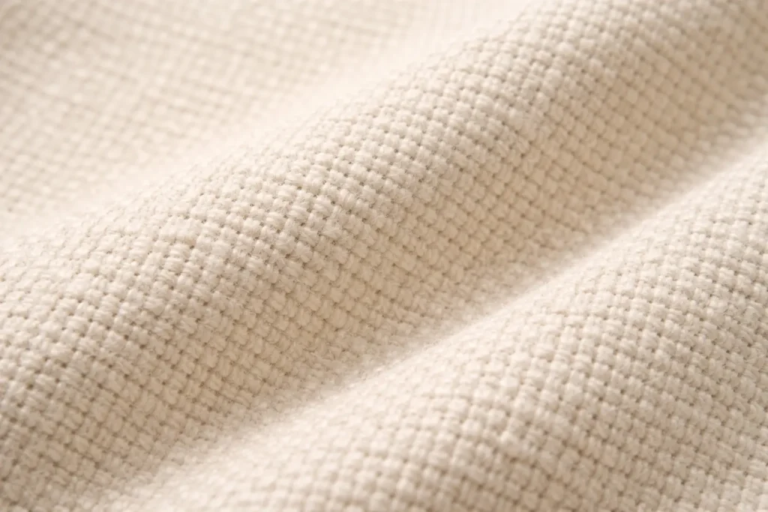
Quilt fabric is usually 100% cotton quilting cotton made for patchwork sewing. Unlike clothing fabric, quilting cotton is woven tightly so quilt blocks keep their shape. This fabric is easy to cut with a rotary cutter and works well with quilting rulers and sewing machines.
Quilt fabric is often sold in fat quarters, jelly rolls, quilt panels, and fabric squares, which makes it easier to follow quilt patterns. Since quilting uses multiple layers—quilt top, batting, and backing—fabric stability is very important. Quilting cotton gives good strength without feeling too stiff.
Many quilters prefer cotton quilting fabric because it presses well with an iron and helps create clean, sharp seams when joining quilt pieces together.

What Is Quilt Fabric Used For
Quilt fabric is used for quilting and other sewing projects that need a stable cotton material.
Common uses include:
- patchwork quilts
- baby quilts
- quilt blocks
- pillow covers
- table runners
- wall hangings
- fabric baskets
- placemats
- tote bags
Softer fabrics like flannel are sometimes mixed with quilt fabric to make blankets more comfortable.
Types of Quilt Fabric Joann
Quilt fabric comes in different formats that make quilting easier. These options help keep measurements accurate and make it simpler to plan quilt designs.
| Type | Thickness | Best Use |
|---|---|---|
| Quilting cotton | Lightweight | Patchwork quilts |
| Pre-quilted fabric | Thick | Blankets |
| Quilt panels | Lightweight | Beginner quilts |
| Fat quarters | Lightweight | Small projects |
| Cheater quilt fabric | Lightweight | Quick quilts |
| Jelly rolls | Lightweight | Strip quilts |

Quilted Cotton Fabric
Quilted cotton fabric is the most common material used in patchwork quilting. Its tight weave helps prevent stretching while sewing and keeps quilt blocks in place. Quilting cotton is easy to press, cut, and sew, which makes it a great choice for beginners.
Pre-Quilted Fabric
Pre-quilted fabric has quilt batting stitched between two fabric layers. This saves time because some of the quilting is already done. It works well for blankets, quilted jackets, and home decor projects.
Cheater Quilt Fabric
Cheater quilt fabric has printed quilt block designs on it. Instead of sewing many pieces together, the print creates the look of patchwork quilting, making it easier for beginners.
Quilt Panels
Quilt panels have large printed designs that can be turned into quilts with very little cutting. Many beginners start with panels because they are simple to use.
Jelly Roll Quilt Fabric
A jelly roll is a bundle of pre-cut 2.5-inch fabric strips used for strip quilting and patchwork. These strips help keep sizes even and reduce cutting time.
Quilters often mix jelly rolls, fat quarters, and quilt kits to create well-matched quilting projects.

What Does Quilt Fabric Feel Like
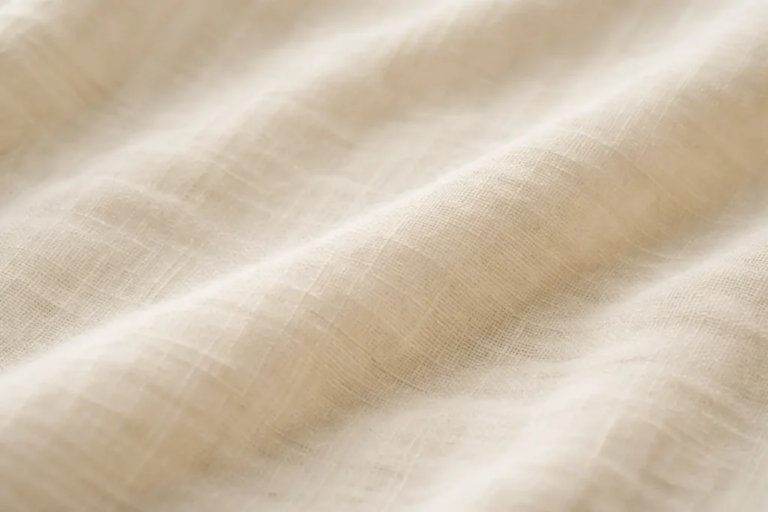
Quilting cotton feels smooth, lightweight, and slightly crisp compared to muslin fabric. The tight weave helps seams stay flat when pressed with an iron. This makes quilting cotton easier to sew than slippery or stretchy fabrics.
Pre-quilted fabric feels thicker because it has batting between fabric layers. Quilt backing fabric may feel softer depending on the material used. Quilts made with cotton quilting fabric become softer after washing while staying strong.
How to Choose Right Quilt Fabric
Choosing quilt fabric depends on your pattern, project size, and skill level. Beginners usually start with quilting cotton because it is stable and easy to cut.
Look for fabric labeled as quilting cotton or quilt fabric by the yard. Matching the quilt top fabric with the backing helps the quilt lay flat. Cotton batting is often recommended because it is breathable and easy to work with.
Baby quilts often use lightweight quilting cotton with soft batting. For backing, choose fabric that is soft and wide enough to extend a few inches beyond the quilt top on all sides.
Beginner Tips for Using Quilt Fabric
Quilting needs accurate cutting and even seams.
Helpful tips:
- use a rotary cutter and cutting mat
- press seams after sewing
- use quilting rulers
- keep seam allowance consistent
- start with simple quilt blocks
- use cotton thread
A walking foot can help move multiple fabric layers evenly through the sewing machine while quilting.

Common Mistakes to Avoid
Using fabrics with different thickness in one quilt top can lead to uneven stitching and an untidy finish. Not pressing seams after each step can make quilt blocks shift and not line up properly.
Choosing stretchy fabric instead of good quality quilting cotton can cause your quilt pieces to lose shape while sewing.
Price Range and Budget Considerations
| Quilt Fabric Type | Price per yard | Difficulty |
|---|---|---|
| Quilting cotton | $6–$12 | Easy |
| Pre-quilted fabric | $12–$20 | Medium |
| Quilt panels | $8–$15 | Easy |
| Batting | $10–$25 | Medium |
Project Ideas Using Quilt Fabric
Quilt fabric is used in many sewing projects beyond traditional quilts.
Examples:
- baby quilts
- patchwork blankets
- pillow covers
- tote bags
- table runners
- placemats
- quilted jackets
Leftover quilting cotton pieces are often reused in simple craft projects.
Quilt Fabric vs Other Materials
| Fabric | Durability | Flexibility | Best Use |
|---|---|---|---|
| Quilt fabric | Medium | Medium | Quilts |
| Cotton fabric | Medium | Medium | Sewing |
| Flannel fabric | Soft | High | Blankets |
| Muslin fabric | Light | High | Practice sewing |
Quilt Fabric at JOANN
JOANN stores usually offered quilting cotton, quilt panels, and quilt batting in the quilting section. Many customers bought fat quarters, quilt squares, and quilt kits for patchwork projects.
Some stores also provided quilting classes where beginners could learn patchwork quilting and basic machine quilting skills. People often looked for store locations using joann fabrics near me page.
Where to Buy Quilt Fabric Now
Today, quilt fabric is easy to find online from many trusted quilting fabric stores. Amazon sells quilting cotton bundles, quilt batting, jelly rolls, quilt kits, and pre-quilted fabric.
Michaels offers quilting cotton prints and quilt panels for beginner-friendly projects. Hobby Lobby provides pre-quilted fabric, quilt batting, and quilting cotton that is often used in patchwork quilts.
How to Use Quilt Fabric
Basic quilting steps:
- Cut quilt squares
- Sew quilt blocks
- Join quilt top
- Add batting
- Attach backing
- Quilt layers together
- Bind edges
This layered method is known as quilt sandwich.
Binding is a strip of fabric sewn around the edges of the quilt to cover raw layers and keep the quilt secure.
Large quilts are sometimes completed using longarm quilting machines, which make it easier to stitch large fabric pieces compared to regular home sewing machines.

Care and Maintenance
Wash quilts in cold water on a gentle cycle to keep both the fabric and the batting safe. Using hot water can shrink cotton quilting fabric and make the quilt layers pucker. Turning the quilt inside out before washing helps keep printed fabric colors bright.
Dry quilts on low heat and take them out while still a little damp to finish air-drying flat. High heat can harm cotton batting and cause the quilt layers to shrink unevenly. Store finished quilts folded inside a cotton pillowcase instead of a plastic bag — cotton allows air to pass through and stops moisture from building up, which can cause yellowing.
Frequently Asked Questions
What is quilt fabric made from?
Most quilt fabric is 100% cotton quilting cotton. Cotton is popular because it is breathable, easy to press, and holds its shape well when sewing patchwork pieces.
What is quilting cotton fabric?
A tightly woven cotton used for patchwork quilts. The dense weave helps quilt blocks stay stable while sewing and pressing.
What is pre-quilted fabric?
Pre-quilted fabric has batting already stitched between two layers of fabric. It saves time because you can skip quilting and sew directly into projects like blankets, jackets, or bags.
Can beginners use quilt fabric?
Yes, quilting cotton is very beginner-friendly. It cuts cleanly, presses easily, and does not stretch while sewing, making it simple to work with.
What is quilt batting?
Batting is the middle layer of a quilt sandwich, placed between the quilt top and the backing. Cotton batting is breathable and easy for beginners, while polyester batting is thicker, warmer, and loftier.
What is quilt backing fabric?
Backing is bottom layer of a quilt. It should be soft, wide enough to go beyond the quilt top on all sides, and close in weight to the top fabric for even quilting.
What is cheater quilt fabric?
Cheater quilt fabric has printed quilt block designs, so it looks like patchwork without sewing individual pieces. It is a favorite shortcut for beginners.
What is a walking foot used for in quilting?
A walking foot helps feed all quilt layers evenly through a sewing machine. It stops the layers from shifting while quilting, which is especially useful with thick batting.