Velvet Fabric at JOANN: Complete Types, Uses and Buying Guide
Velvet fabric is a soft and smooth material made with a cut pile surface that gives it a rich look and a slight shine when light hits it. It is used for clothing, furniture, curtains, and different craft projects. JOANN Fabrics, a well-known craft store, offered velvet fabric by the yard in both home décor and apparel sections, including crushed velvet, stretch velvet, polyester velvet, and upholstery velvet in colors like black, red, navy, pink, blue, green, and burgundy across the store.
After many JOANN store closures, searches for velvet fabric joann sale and velvet upholstery fabric joann shifted online. This guide explains different types of velvet fabric, how to choose the right one, simple sewing tips, care instructions, price ranges, and where you can buy velvet fabric today.
What Is Velvet Fabric
Velvet is a cut-pile fabric created on a specialized loom that produces a dense, soft surface through the arrangement of short, upright fibers. It is not defined by a single fiber type; rather, it is a construction method applied to materials like silk, cotton, polyester, rayon, or spandex. The performance and appearance of the fabric are determined by two primary factors: pile height and nap direction. Pile height dictates how plush the material feels, while nap direction—the orientation of the fibers—causes the fabric to look lighter or darker depending on how light hits the surface.

Velvet Weave and Construction
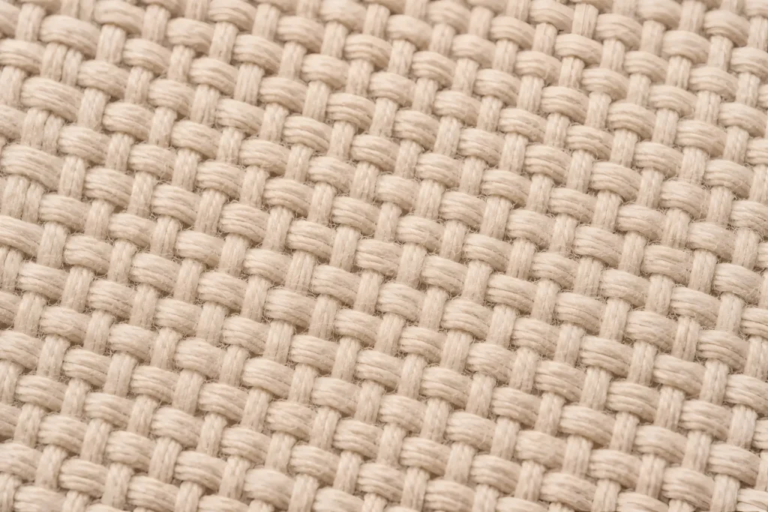
Most velvet uses a warp pile velvet construction, where extra warp yarns are looped over wires or woven between layers to create the pile. This warp pile velvet method is the industry standard for both heavy-duty upholstery and fine apparel. Pile density is the key component here; higher density means more fibers per square inch, which increases abrasion resistance and limits flattening. Fabric hand, or the tactile feel, ranges from the fluid, soft hand of apparel-weight velvet to the firm, structured hand of upholstery-grade material.

What Is Velvet Fabric Used For
Velvet is a multi-purpose textile used across home decor, furniture, and fashion. Common applications include:
- Upholstery: Sofas, accent chairs, ottomans, and headboards.
- Window Treatments: Curtains and drapes that utilize dense pile for light blocking and acoustic dampening.
- Apparel: Blazers, skirts, formal jackets, gowns, and bridal wear.
- Home Decor: Throw pillows, cushions, and table runners.
- Crafts: Headbands, jewelry boxes, and theatrical costumes.
Types of Velvet Fabric
| Type | Fiber Base | Pile Style | Best Use |
|---|---|---|---|
| Crushed velvet | Polyester or rayon | Random crush pattern | Decor, costumes |
| Panne velvet | Polyester or rayon | Pressed flat one direction | Dancewear, formal |
| Silk velvet | Silk | Short dense pile | Luxury apparel |
| Cotton velvet | Cotton | Short structured pile | Upholstery, apparel |
| Polyester velvet | Polyester | Short or medium pile | All-purpose |
| Stretch velvet | Polyester spandex blend | Medium pile with stretch | Fitted clothing |
| Velveteen | Cotton | Very short matte pile | Quilting, kids wear |
| Rayon velvet | Rayon | Soft medium pile | Drapes, apparel |
| Upholstery velvet | Cotton or polyester | Dense short pile | Furniture, headboards |

Crushed Velvet Fabric
Crushed velvet fabric is produced by twisting or pressing the material while wet, forcing the pile to lie in multiple directions permanently. This creates a high-shine, dimensional surface often used for costumes and holiday decor.
Panne Velvet
Panne velvet features a pile pressed completely flat in one direction using heavy heat and pressure. It is highly reflective and fluid, making it a favorite for dancewear and formal costumes.
Silk Velvet
Silk velvet is considered the gold standard, featuring a silk pile on a silk or rayon base like other cotton fabrics. It offers the deepest color saturation and the most graceful drape, though it requires dry cleaning and careful handling.
Cotton Velvet
Polyester velvet is the most common and budget-friendly type of velvet available today, and it falls under the larger category of polyester fabrics used for both clothing and home décor. Most velvet sold in craft stores, including JOANN, was polyester velvet. It is also often called faux velvet or fake velvet fabric. In the past, real velvet usually meant silk velvet, which is more expensive because of the cost of silk and the slower process used to make it.
Polyester velvet is stronger, holds color better, and costs much less than silk velvet, making it a popular choice for everyday use. When people searched for black velvet fabric joann, red velvet fabric joann, or other colors like blue, green, and pink, they were usually looking for polyester velvet options that were available in stores.
Polyester Velvet and Faux Velvet
Polyester velvet is the most common and affordable variety. Often called faux velvet, it offers high durability, colorfastness, and resistance to wear, making it a practical choice for everyday home projects.
Stretch Velvet and Spandex Velvet
Stretch velvet is a knit-backed fabric blended with spandex to provide two or four-way movement. It is the ideal choice for fitted clothing, including leggings, bodysuits, and activewear.
Velveteen Fabric
Velveteen is a cotton fabric with a very short, matte pile. It is stiffer and less reflective than traditional velvet, making it well-suited for quilting and children’s clothing.
Rayon Velvet
Rayon velvet provides a soft, luxurious drape and deep color absorption. It is less durable than polyester versions and is best reserved for decorative applications like drapes or pillows.
Upholstery Grade Velvet
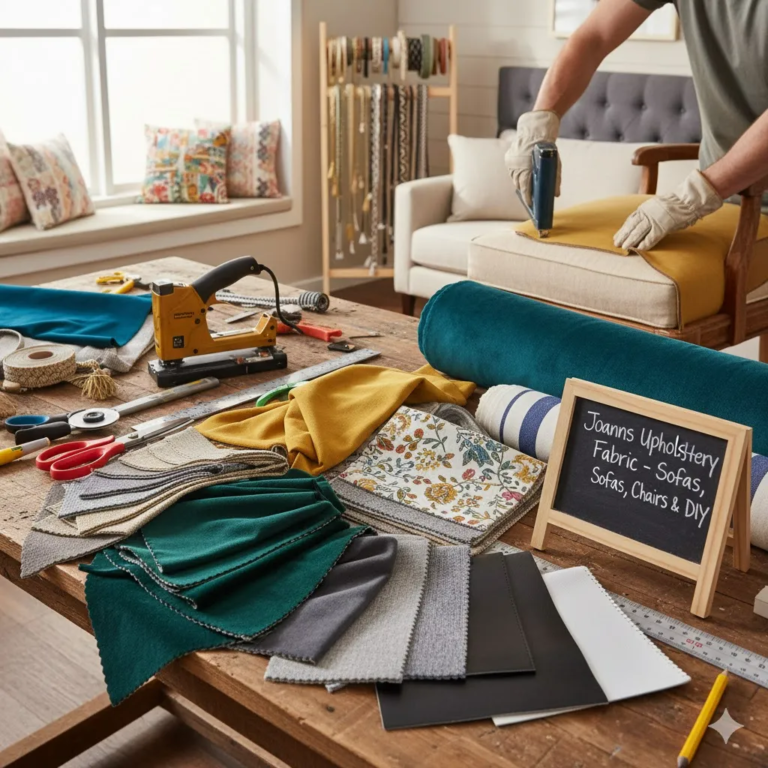
Upholstery velvet is thicker and more tightly made than apparel velvet, which makes it suitable for furniture use. It is tested for durability using abrasion ratings measured in Wyzenbeek double rubs, similar to other upholstery fabrics. Velvet upholstery fabric at JOANN was available in the home décor section along with other furniture materials. For home furniture, it is best to choose velvet with at least 15,000 double rubs. For heavy-use or commercial furniture, look for 30,000 double rubs or higher for better durability.
Plush Velvet Fabric
Plush velvet fabric features a longer, thicker pile than standard varieties. It is favored for items where maximum softness is the priority, such as cozy throw pillows or seasonal winter decor.
Velvet vs Velour
Velvet is a woven fabric with a cut pile construction, while velour is a knit fabric. Because velour is knit, it naturally stretches without needing spandex, whereas velvet requires a specific construction to achieve the same effect. Velvet is generally more formal and structured, while velour is associated with casual loungewear and tracksuits.
Popular Velvet Fabric Colors at JOANN
JOANN offered a wide spectrum of colors, with deep jewel tones like emerald, sapphire, and burgundy peaking in demand during the fall and holiday seasons. Black, navy, and ivory were year-round staples for formal and bridal projects, while pink and purple saw high turnover during costume seasons.

What Does Velvet Fabric Feel Like
The tactile sensory velvet experience varies by type. Silk velvet offers the softest, most fluid touch, while cotton velvet feels warmer and more substantial. Polyester velvet feels smooth and cool to the touch. Upholstery-grade velvet feels firm and dense, providing a structured surface that resists compression.
How to Choose the Right Velvet Fabric
Choose upholstery-grade velvet for any furniture project, ensuring it meets a minimum of 15,000 Wyzenbeek double rubs. For clothing, select woven polyester or cotton for blazers, and reach for stretch velvet for fitted apparel. If the project is for decorative craft, crushed or panne velvet are excellent, forgiving choices that hide handling marks.
Velvet Upholstery Fabric Performance Ratings
Upholstery grade velvet is measured by its ability to withstand friction. Residential furniture should utilize fabric rated for at least 15,000 Wyzenbeek double rubs, while commercial seating requires 30,000 or higher. Higher pile density is the primary indicator of long-term performance and resistance to flattening.
| Metric | Residential | Commercial |
|---|---|---|
| Wyzenbeek double rubs | 15,000 plus | 30,000 plus |
| Martindale cycles | 20,000 plus | 40,000 plus |
| Pile recovery | Medium | High |
| Colorfastness | Good | Very Good |
Is Velvet Waterproof
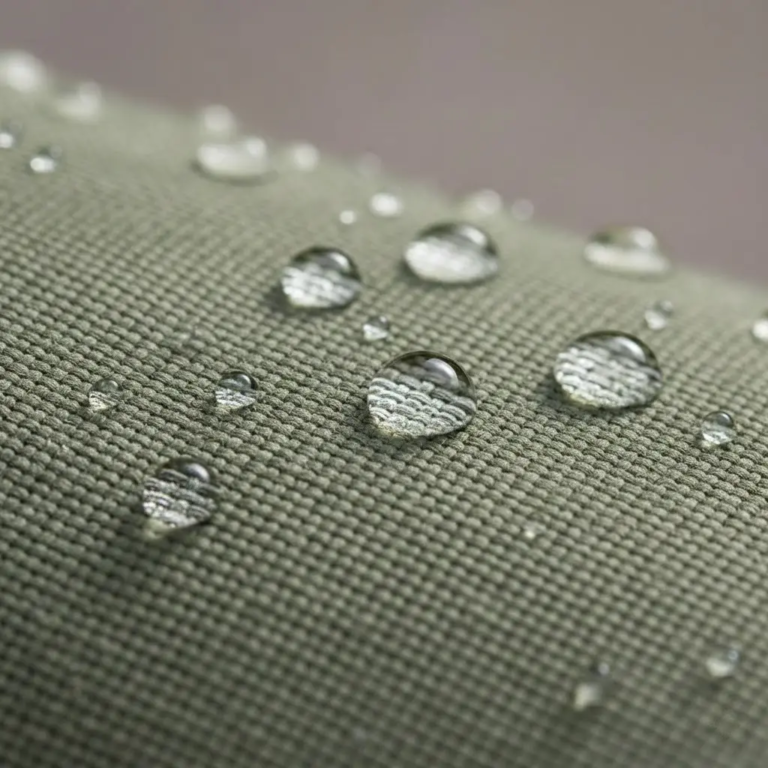
Standard velvet is not waterproof. It is a textile designed for aesthetic and structural purposes rather than moisture resistance. Outdoor-specific velvet is a specialty product and should not be confused with standard velvet fabric by the yard.
Beginner Tips for Using Velvet Fabric
- Cut all pieces with the nap running in the same direction.
- Use fabric clips instead of pins to avoid permanent holes.
- Use a sharp universal needle (70/10 or 80/12 for apparel; 90/14 for upholstery).
- Employ a walking foot or roller foot to prevent pile crushing.
- Set stitch length to 3.0–3.5mm.
For sewing machines that can handle thick upholstery velvet, it helps to choose a model designed for heavy fabrics. You can also look into sewing machines guide and explore local sewing classes if you want hands-on practice and guidance when working with heavier materials like upholstery velvet.
Common Mistakes to Avoid
The most frequent error is ignoring nap direction, which leads to panels that appear to be different colors when joined. Another mistake is using apparel-weight velvet for upholstery; without the necessary abrasion rating, the fabric will flatten and wear through quickly under pressure.
Velvet Fabric Price per Yard
Prices vary based on fiber content and construction. Polyester and crushed velvet typically range from $5 to $12 per yard, while upholstery-grade options often cost $15 to $30. Silk velvet remains the most expensive, often ranging from $30 to $80 per yard due to the cost of natural fibers and specialized manufacturing.
| Velvet Type | Price per Yard | Difficulty |
|---|---|---|
| Polyester velvet | $6 to $12 | Easy |
| Crushed velvet | $5 to $10 | Easy |
| Panne velvet | $6 to $12 | Easy |
| Stretch velvet | $8 to $15 | Medium |
| Cotton velvet | $10 to $18 | Medium |
| Rayon velvet | $12 to $20 | Hard |
| Upholstery velvet | $15 to $30 | Medium |
| Silk velvet | $30 to $80 | Advanced |
Project Ideas Using Velvet Fabric
- Furniture: Reupholstering accent chairs or ottomans in jewel-toned upholstery velvet.
- Windows: Floor-length velvet curtains for insulation and light control.
- Fashion: Structured blazers and formal skirts.
- Accessories: Jewelry boxes, hair headbands, and decorative throw pillows.

Velvet Fabric vs Other Materials
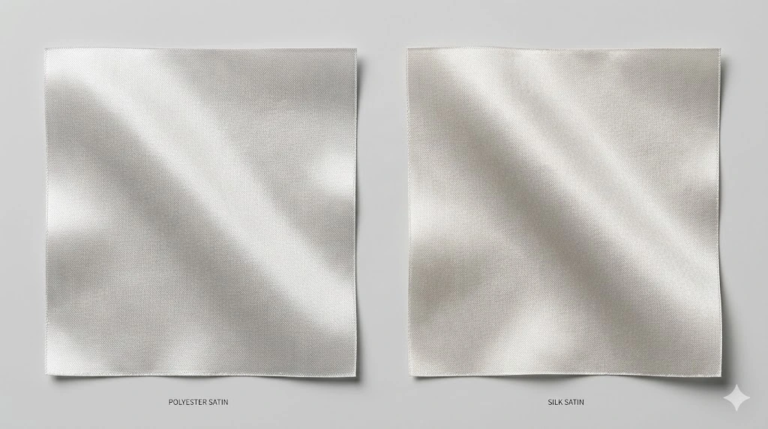
Velvet occupies a unique space between the textured loops of chenille and the flat, smooth sheen of satin. Unlike canvas or outdoor fabrics, velvet prioritizes a luxurious finish while still offering enough weight for structural upholstery or heavy drapery.
| Fabric | Texture | Durability | Drape | Best Use |
|---|---|---|---|---|
| Velvet | Plush pile | Medium to High | Rich, heavy | Upholstery, formal wear |
| Chenille | Textured loops | Medium | Soft, casual | Throws, casual upholstery |
| Satin | Smooth sheen | Low to Medium | Fluid, light | Formal wear, lining |
| Cotton fabric | Flat weave | Medium | Structured | Everyday apparel |
| Polyester fabric | Smooth | High | Variable | All-purpose |
| Upholstery fabric | Woven | Very High | Structured | Furniture |
For more fabric types and materials, explore the full fabric collection, including guides on upholstery fabric, cotton fabric, and polyester fabric. These guides can help you understand different materials and choose the right fabric for your project.
Why Velvet Was a Core Category at JOANN Fabrics
Velvet was a high-volume seasonal category for JOANN, driven by demand for costumes in October and home decor during the winter holidays. The retailer provided a wide selection of private-label and branded options, making the material accessible for both hobbyists and serious upholstery projects.
JOANN vs Michaels vs Hobby Lobby for Velvet Fabric
JOANN historically maintained the most extensive selection, particularly in upholstery-grade and stretch velvet. Michaels and Hobby Lobby carry limited selections of basic polyester or crushed velvet, but they rarely match the depth or specialized inventory of upholstery-grade textiles previously found at JOANN.
| Feature | JOANN Historical | Michaels | Hobby Lobby |
|---|---|---|---|
| Velvet selection | Very wide | Limited | Moderate |
| Upholstery velvet | Yes | Rarely | Occasionally |
| Crushed velvet | Yes | Limited | Yes |
| Stretch velvet | Yes | No | Rarely |
| Price point | Mid-range | Higher | Mid-range |
| Coupon culture | 40 to 50% weekly | Occasional | 40% weekly |
| Post-closure access | Amazon | In-store limited | In-store limited |
Velvet Fabric at JOANN
JOANN stocked velvet in two distinct departments: home decor for heavy-duty upholstery and curtain projects, and apparel for clothing and costumes. Customers relied on in-store swatches to assess pile quality and color accuracy before committing to yardage for large-scale furniture reupholstery.
JOANN Fabrics Store Updates and Transition
Following the closure of all physical JOANN locations in 2025, the availability of velvet fabric has shifted to online retailers. Consumers now access the same types of velvet previously found in stores through platforms like Amazon, Michaels, and dedicated online fabric suppliers.
Many customers searched joann fabrics near me to check which stores had specific velvet colors available for upholstery projects. After store closures, searches for velvet fabric joann and joann velvet fabric mostly shifted online to retailers like Amazon and other fabric websites. You can still check past store locations and updates using the joann fabrics near me page.
Where to Buy Velvet Fabric Now
Amazon currently offers the largest online selection of velvet fabric by the yard, including specialized types like panne, stretch, and upholstery-grade velvet. Online shopping allows users to consult customer reviews to verify pile quality and color consistency before purchasing.
How to Sew Velvet Fabric
Sewing velvet requires a methodical approach to protect the pile. Always use a walking foot or roller foot to distribute pressure evenly. When joining seams, use fabric clips rather than pins. If pressing is required, steam the fabric from the back side only, avoiding direct contact between the iron and the pile to prevent permanent crushing.

Care and Maintenance
Revive crushed pile by holding a steamer above the fabric and gently brushing it with a soft clothes brush. To maintain upholstery, rotate cushions regularly to prevent concentrated pressure points. Store velvet garments on hangers and keep yardage rolled on a tube to avoid the permanent creases caused by folding.
| Velvet Type | Washing | Drying | Pressing | Storage |
|---|---|---|---|---|
| Polyester velvet | Cool gentle machine wash | Air dry | Steam from back | Hang or roll |
| Cotton velvet | Hand wash or dry clean | Air dry flat | Steam from back | Hang |
| Silk velvet | Dry clean only | Air dry | Steam only | Hang in garment bag |
| Rayon velvet | Dry clean recommended | Air dry | Steam only | Hang |
| Stretch velvet | Cool gentle machine wash | Air dry | Steam from back | Fold carefully |
| Upholstery velvet | Spot clean only | Air dry | Steam from back | Leave on furniture |
| Crushed velvet | Cool gentle machine wash | Low heat | No pressing needed | Fold or hang |

Frequently Asked Questions
What is velvet fabric made from?
Velvet is made from a variety of natural and synthetic fibers, including silk, cotton, polyester, rayon, and spandex.
What is the difference between crushed velvet and regular velvet?
Crushed velvet features a permanently distorted, multi-directional pile created by pressing or twisting, while regular velvet has a uniform, upright pile.
Is velvet fabric good for upholstery?
Yes, provided you select upholstery-grade velvet, which is specifically tested for high abrasion resistance and pile density.
Is velvet a woven fabric?
Yes, velvet is a woven, cut-pile textile created on a special loom that cuts the pile yarns to create the signature plush surface.
What is the difference between velvet and velour?
Velvet is a woven fabric with a dense pile, whereas velour is a knit fabric with a softer, more casual feel.
Can velvet be used outdoors?
No, standard velvet is not waterproof and will degrade if exposed to the elements; only specialized, treated outdoor velvet is suitable for exterior use.
What is pile and nap direction in velvet?
Pile refers to the upright fibers on the surface, and nap direction is the orientation of those fibers, which dictates how light reflects off the fabric.
Why does velvet look darker from one direction?
Velvet looks darker from one direction because the light is absorbed into the fibers when viewed against the nap, and lighter when viewed with the nap.
What needle should I use for velvet?
Use a sharp universal needle, size 70/10 or 80/12 for apparel, and 90/14 for upholstery-grade velvet.
What is upholstery grade velvet?
Upholstery grade velvet is a durable, heavy-duty textile rated for high abrasion resistance, typically measured by Wyzenbeek or Martindale test methods.
How do I stop velvet pile from crushing when sewing?
Stop velvet pile from crushing by using a walking foot or roller foot and setting the stitch length to 3.0–3.5mm to reduce needle-point pressure.
What is panne velvet?
Panne velvet is a lightweight variety with the pile pressed completely flat in one direction, resulting in a high-shine, reflective surface.